



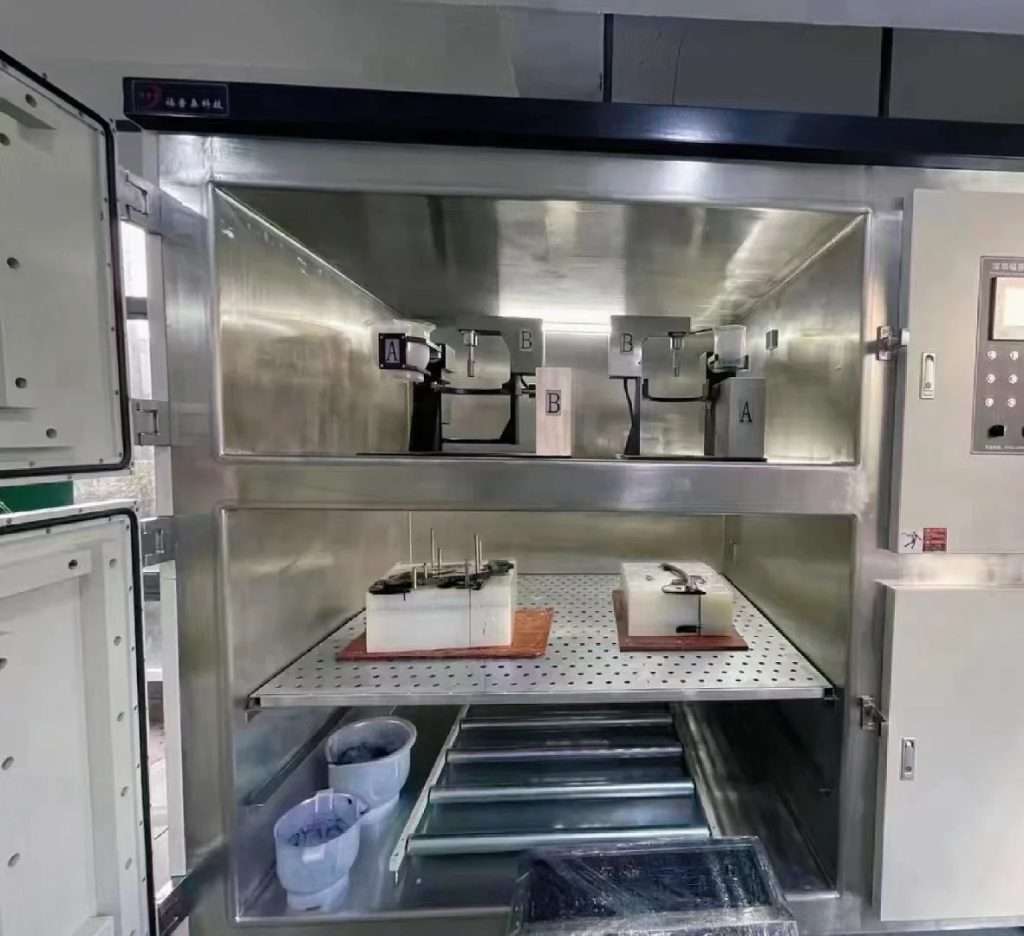
Indirect rapid tooling is shaking up manufacturing by filling the gap between prototyping and full production, with a wide range of advantages. This technology has proven to be highly impactful in robotics, allowing engineers to rapidly prototype, test, and customize individual parts while significantly speeding up product development.
But why is it such an advantage? What is it, and how does it differ from traditional tooling methods? Here, we detail indirect rapid tooling, its advantages, and how it has a place in rapid prototyping and the future of manufacturing. Let’s get into this novel technology.
What is Indirect Rapid Tooling?
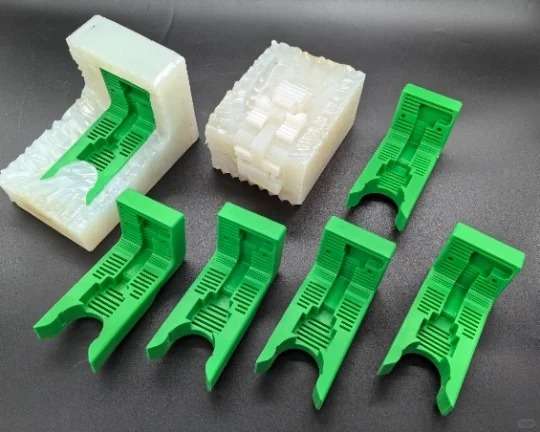
In indirect rapid tooling, a master pattern is used to create a mold or tool which is then used to produce the final parts. The process usually begins with a prototype or master pattern, often made with additive manufacturing (3D printing) techniques. Following creation, the master pattern can be used to form a mold, often through methods like casting or molding, making it possible to create multiple parts in a timely and cost-effective manner.
This can sound more like: direct rapid tooling. In direct rapid tooling, a mold or tool is produced directly from rapid prototyping techniques, not involving the pattern master as an intermediate step. Indirect Rapid tooling is particularly suited for prototyping, testing, and small to medium production runs, as it provides a faster, more flexible, and less expensive means of manufacturing than traditional tooling techniques.
Advantages of Indirect Rapid Tooling in the Robotics Industry
This change is revolutionizing the robotics space through indirect rapid tooling. This leads to faster iteration cycles, which is essential in competitive markets.
That said, robotics needs accuracy and adaptability. Indirect tooling and these demands, complement each other, enabling new designs.
It is crucial to be able to prototype quickly. Indirect tooling enables engineers to test and optimize before going to mass production.
This approach reduces development costs and lead times. It allows smaller companies to compete effectively with larger rivals.
Testing different materials is less cumbersome and less expensive. The iterative development required for stable robotic components is enabled by indirect tooling.
Additionally, this process reduces the risks associated with early design stages. It protects against product failures from causing financial loss.
Cost-Effectiveness and Time Savings
Reduced initial investment with indirect rapid tooling. Tooling by traditional means can be expensive.
This reduces the development cycle. Businesses can get products to market faster.
The process enables lean, low-volume production. It helps businesses reduce wastage and save unnecessary costs.
Customization and Flexibility
Robotics is a field that often requires custom solutions. Indirect rapid tooling allows the necessary customization for special applications.
This gives a more freedom to design. Engineers can experiment without the limitations of standard tooling.
Changes are simple to pull off, spurring experimentation. In a fast-moving field, it leads to customized solutions.
Rapid Prototype, At Speed, Iterate
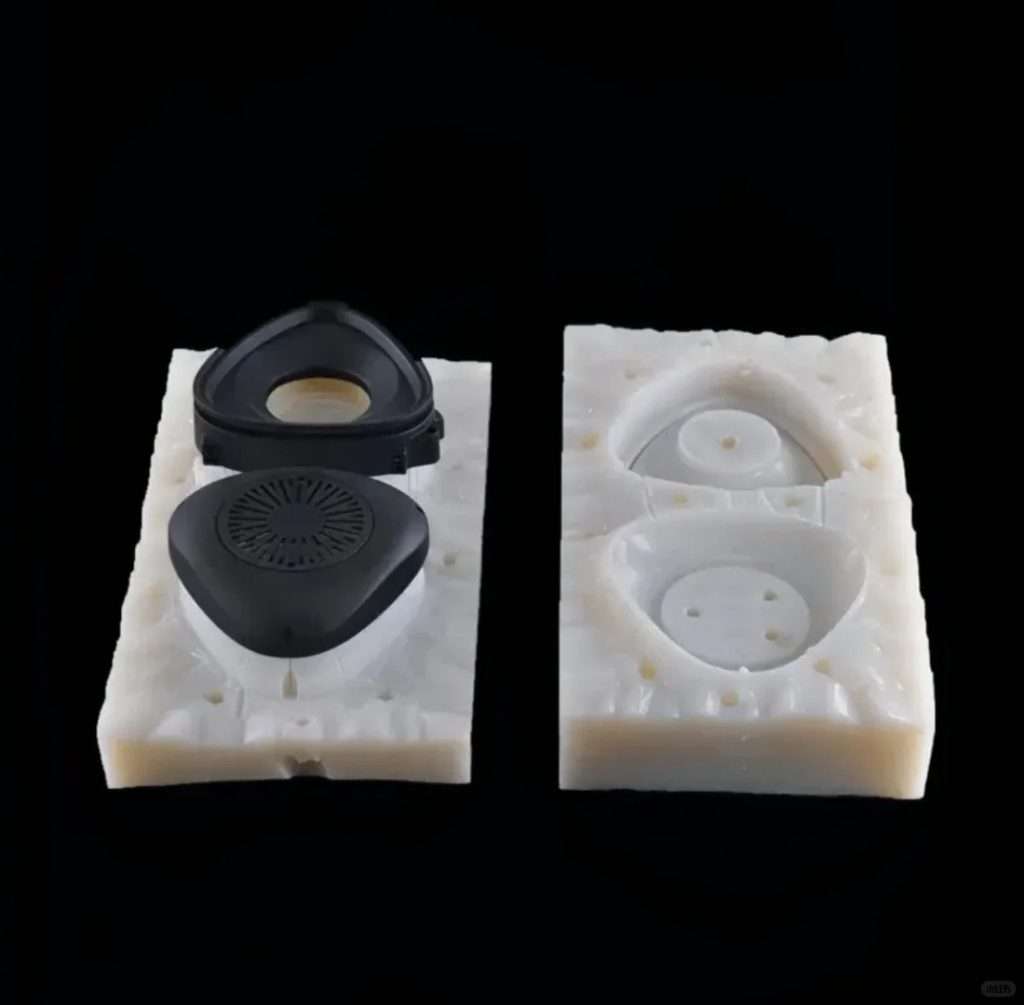
The direct rapid tooling serves a fundamental ground to rapid prototyping. It easily connects the dots from the idea to the actual thing.
This approach enables designers to iterate through many versions rapidly. It also fuels the process of innovation and perfection.
This tooling makes the design verification process more efficient. Before scaling, engineers can physically touch and see what they created.
This type of problem-solving breeds creativity. Teams are able to explore more alternatives, free from cost or time pressure.
Speeding Up Product Development
Rapid tooling in an indirect way speeds up product development timelines. Companies can analyze changing demand and react quickly.
That makes it less likely to make an expensive mistake.) Prototypes can identify design problems before mass manufacturing.
Time to market is key for competitive advantage. Indirect tooling helps to launch fast or go to market.
Choosing the Right Tooling Method
Choosing the best tooling method is very important. This decision should be based on the needs of your project.
Things like production volume and material choices are considerations. These components will affect the cost and time savings.
The End: Indirect Rapid Tooling to the Electronic Age of Manufacturing
The Future of Manufacturing: INDIRECT RAPID TOOLING It helps in streamlining processes and increases efficiency.
Its involvement in product development will become more significant as technology matures. This method embraces flexibility and innovation in a constantly changing market.