



High precision CNC Milling has become the cornerstone of innovation, for some, we decided to take a long-view on the everchanging manufacturing world where the concept of precision underlies all things innovative. Today’s industrial applications require machining tolerances as low as ≤3μm — which is smaller than a human hair (50-100μm) in diameter. This degree of precision isn’t simply a good-to-have; it’s a must-have for industries ranging from aerospace to medical to electronics, where performance, safety and functionality are all determined by some very precise standards. IntroductionPerfection is an increasingly apocalyptic component of growth in CNC (Computer Numerical Control) tooling technology, enabling exceptional new possibilities for modern manufacturing.
From turbine blades with micro-milled cooling holes to orthopedic implants with highly porous structures, ultra-precision machining is addressing some of the most difficult engineering problems. Join us as we uncover the latest trends, innovations, and industry insights paving the way for the CNC world to redefine precision as we know it.
High Precision Product – The Meeting of Demand
This need for high-accuracy machining is reflected in the explicit industrial requirements across different sectors where CNC technology is used. Each sector has its own set of challenges that need to be solved with outside-the-box solutions, as they demand stringent specifications.
Aerospace: In Search of Efficiency and Safety
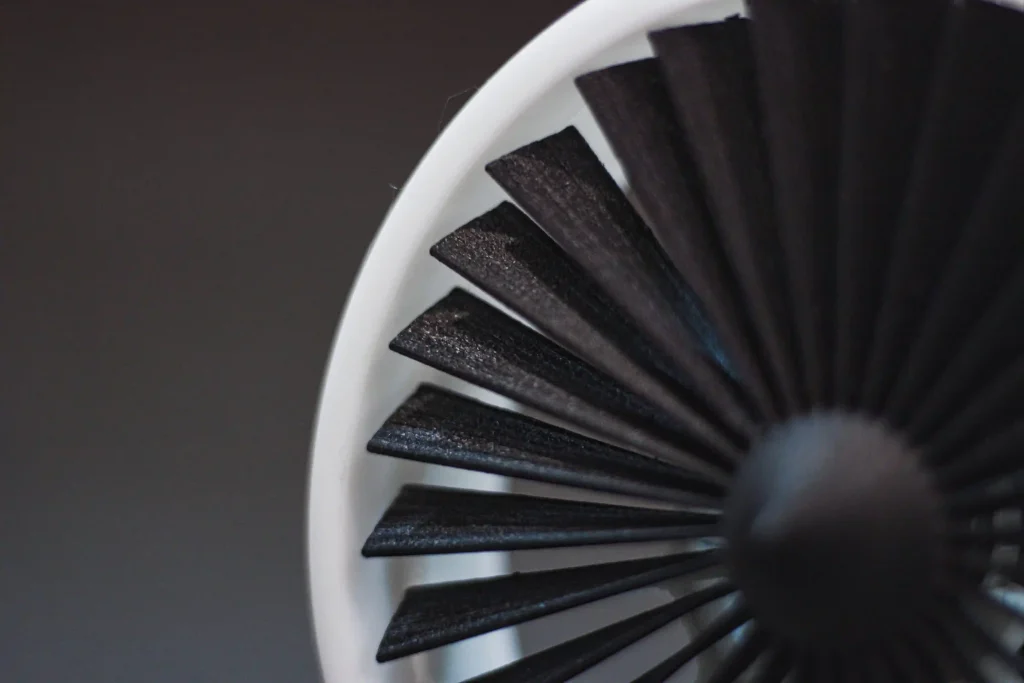
It’s no different in aerospace — precision is important in every part of a system because a single error, no matter how small, can result in safety and performance issues. For example, turbine blade cooling holes, whose purpose is to allow cooling air to pass through the turbine blade and maintain efficiency while preventing overheating. These holes can be as small as Ø0. 3mm, are required to be machined with ±0.005mm tolerances. This level of precision is imperative in order to maintain optimal airflow and cooling properties without sacrificing blade structure.
Medical: Where high Precision Meets Biocompatibility
Medical precision machining Precision machining is used in the production of implants and medical devices that require functionality as well as biocompatibility. Orthopedic implants like bone screws or hip replacement often need porous structures with up to 85% porosity. This sophisticated design promotes osseointegration, so the implant can integrate with human bone. To reach this degree of complexity and accuracy requires sophisticated CNC systems to ensure micro-scale repeatability.
Electronics: The Miniaturization Era
Perhaps the most strict industry regarding precision and surface quality is the electronics industry. And with devices shrinking in size and increasing in power, the components that power them must adhere to tighter and tighter tolerances. An example of this is a 5G wave guide slot that must be finished to Ra 0.2μm to limit signal loss and provide the best electrical properties. CNC technology helps manufacturers to fulfill these stringent specifications and drive faster, more reliable communication networks.
How They Do it: The Technology Behind the Accuracy
Addressing these needs goes beyond hiring skilled operators; it requires state-of-the-art technology. For example, hybrid CNC machines offer speeds of up to 20,000 RPM spindles combined with integrated laser measurement systems. These machines tool up with a first-pass yield of 97.3% (see 2024 International Manufacturing Technology Show (IMTS) ). These improvements, however, supplement the advancement of technology itself to help push the envelope of what CNC systems can do.
Core Technologies That Power High Precision
Ultra-precision machining is built on three primary technological pillars—progressive motion control, micro-tool technologies and integrated metrology.
Advanced Motion Control
Modern Motion Control Systems & Non-Cnc Applications: Motion control servo drive and servo motor robot/CNC with higher than average quality. For example, linear motor drives deliver positioning repeatability levels as low as 0.1μm, ensuring performance consistency with even the most complex geometries. Thermal compensation systems enhance the accuracy even further, keeping the temperature of the machine within a range of ±0.5°C, allowing for compensating of the thermal expansion of the machine to ensure machining precision.
Micro-Tool Innovations with high precision CNC Milling
The tooling technology segment has also advanced with the requirement of ultra-precision machining by introducing tools with enhanced durability and performance. End mills with diamond coating, Ø0. These have entered common usage for drilling PCBs micro-vias, where they must be less than 1mm. The trochoidal milling path or circular tool path has proven to increase the tool life to over 40% in Ti-alloys (Ti-6Al-4V) machining (ref. 8). Not only do these improvements augment accuracy, but they also minimize tooling wear, lowering the amount of capital used.
Metrology Integration
Instant measurement and feedback are essential for eliminating errors during machining. On-machine probing systems, for example, can check the diameters with control ±0.5μm during the production process. Which negates the need for post-process measurements that consume time. White light interferometry goes a step further, delivering 3D surface mapping during cutting operations. This technology provides real-time inspection of products. Allowing manufacturers to detect and rectify defects instantly, guaranteeing uniform quality standards and minimizing waste.
Solutions Specific Industry: Targeted to Needs
Although the underlying technology of ultra-precision machining is universal, its applications are broad and varied between markets. There need to be specific solutions that address these challenges and priorities differently for each sector.
| Sector | Precision Benchmark | Material Challenges | Image |
| Medical | <5μm curved surface profile | Cobalt-chrome burr control | 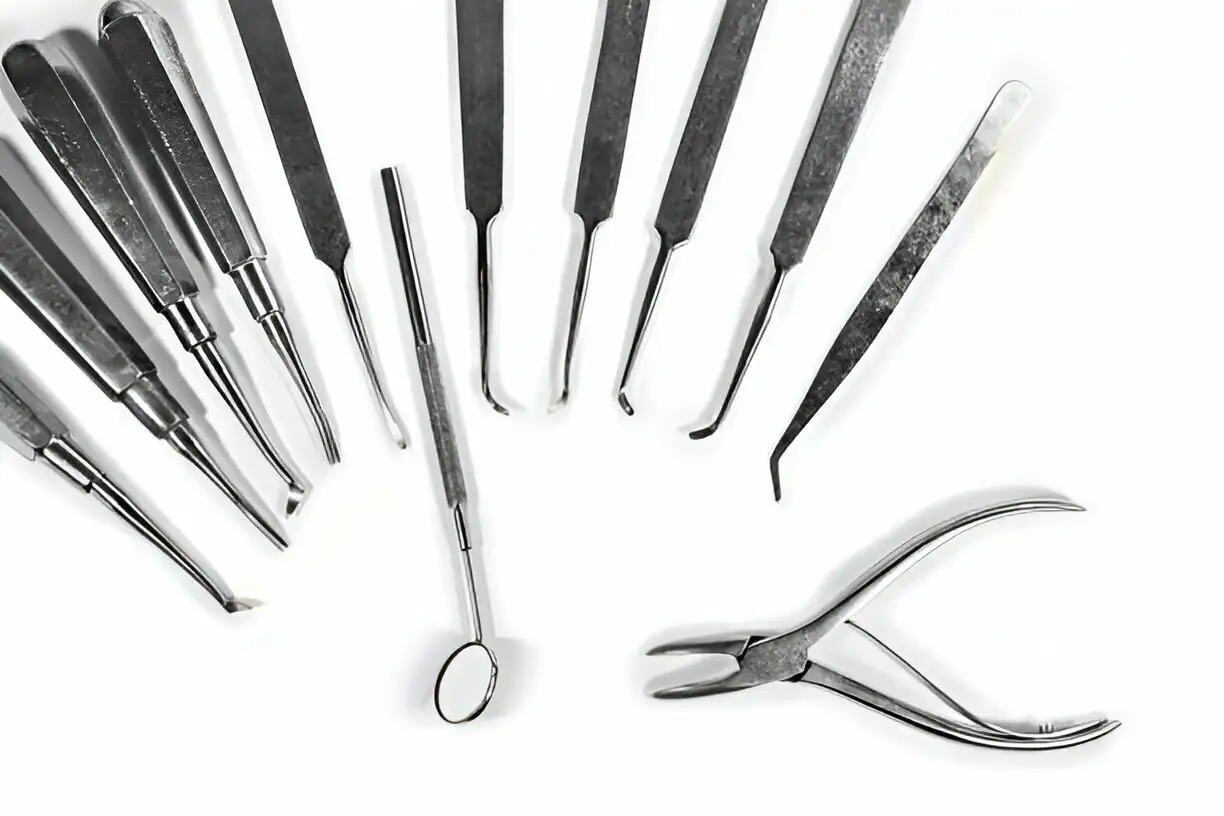 |
| Automotive | Cylinder bore honing Ra 0.1μm | Cast iron tool wear resistance | 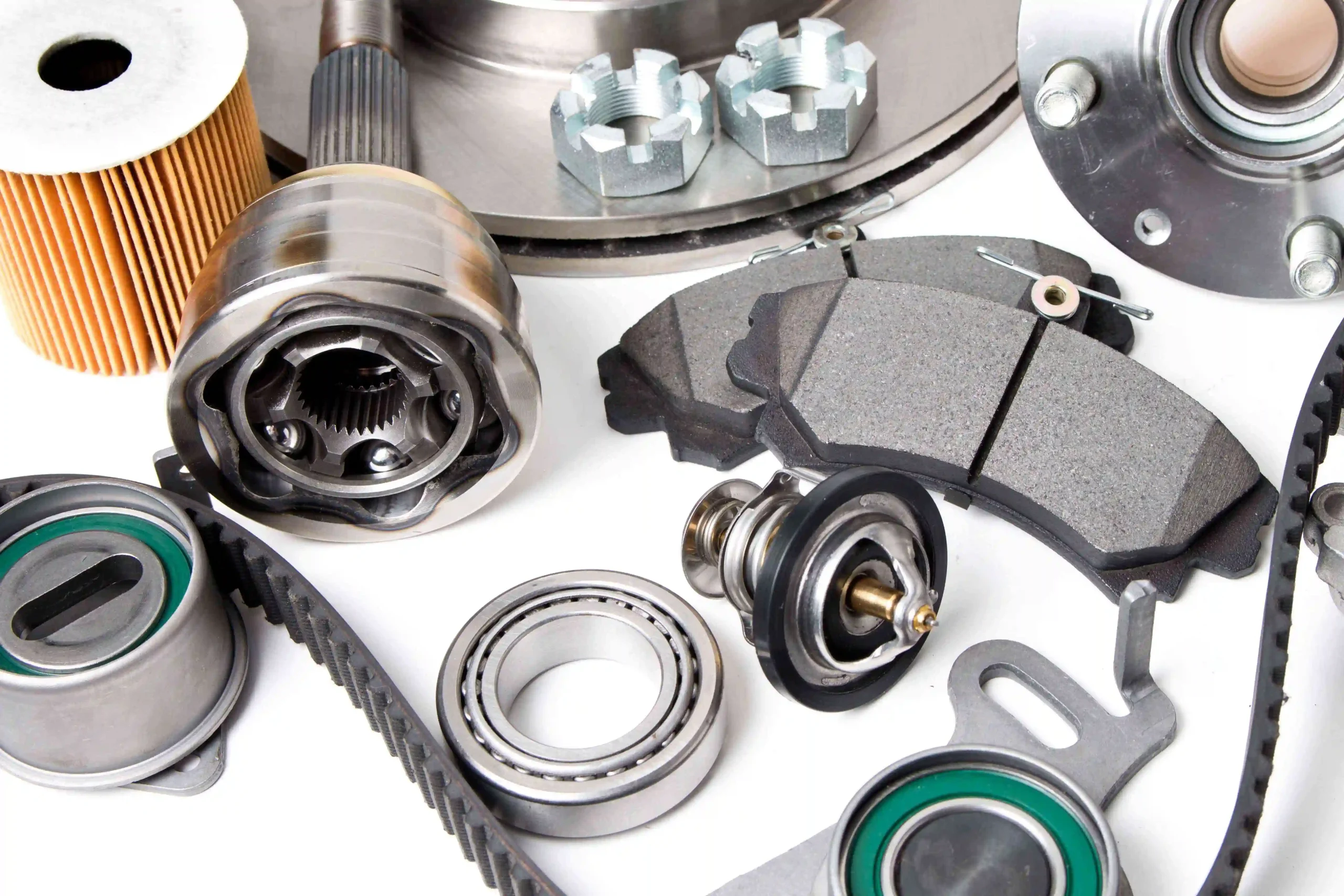 |
| Optics | λ/10 surface flatness | Quartz glass chipping prevention | 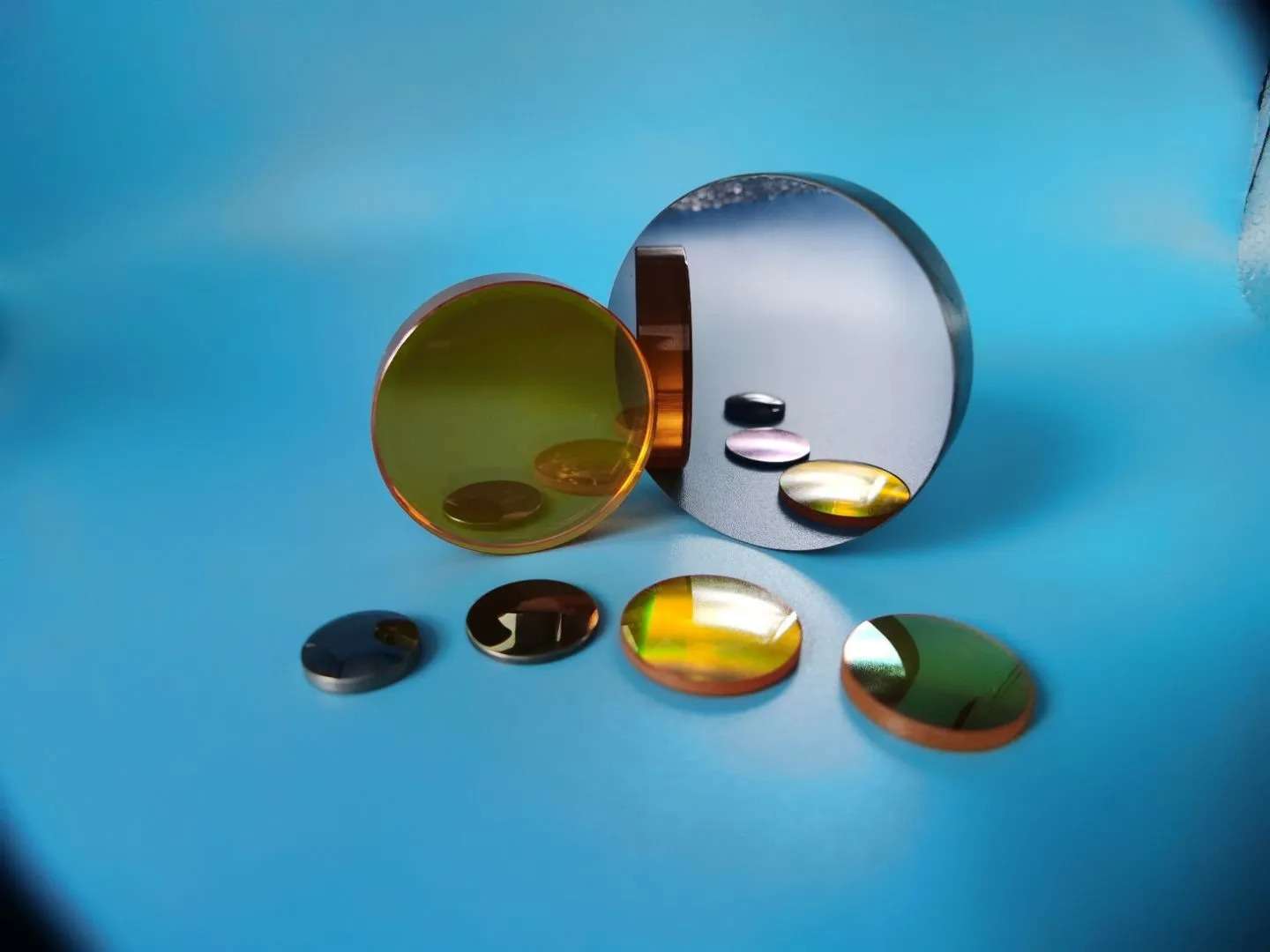 |
Invest in Cost versus Accuracy: Methodical Execution
The advantages of ultra-precision machining are apparent, but this does not come without a price. High-precision CNC systems, advanced tooling, and integrated metrology equipment are capital expenses. For manufacturers, the challenge is to balance precision with cost usefulness. This usually applies to strategic decision making to find out when ultra-precision is needed and when normal tolerances will do.
An example of this is process optimization, or using things like trochoidal milling to increase tool life while also minimizing material waste. Investing in hybrid machines that combine different capabilities to avoid secondary operations is another, thus aiding efficiency. Precise enough to meet the manufacturers’ needs without the need for talc, the scrape off each other is a cause of concern for manufacturers. The only way to go is to carefully evaluate what is a necessity and what is a luxury.
Exploration of next generation of high precision machining
Precision Machining—Callable Industrial Revolution In the precision machining world of tomorrow, only one legend lives by the giving, and that process has already begun. These breakthroughs promise to expand the realm of what is possible, allowing manufacturers to achieve previously unheard-of degrees of precision.
Quantum Metrology
Quantum metrology, which uses principles of quantum mechanics to measure at atomic scale, is likely to change the way the surface is measured. Prototypes are under development, with commercial applications expected by 2026. This sets the stage for ultra-precision machining in the atomic nano-range to become a reality for manufacturers. “finally achieving atomic resolution and make the nanomaker more viable and give them the edge they so crave”
Self-Healing Machine Beds
Thermal drift is a typical challenge in precision machining because temperature variations can expand or contract machine components. Carbon nanotube composites have been developed to create machine beds that self-heal, automatically compensating for the thermal change issue. This innovation has the potential to improve both machining stability and accuracy dramatically.
Photonics Integration
Laser-assisted milling, a photonics technology, has emerged as a key process for machining advanced materials such as ceramic matrix composites. These materials are essential for next-gen aerospace and electronics applications, and photonics integration is expected to render their machining faster, more efficient, and more precise.
Conclusion
As industries call for more precision, CNC technology is stepping up to the plate. Even the capabilities being developed in ultra-precision machining — from high-end motion control systems to quantum metrology — have truly unique potentials. Not only are these technologies responding to the needs of today, but they’re also setting the stage for tomorrow, allowing manufacturers like EPRO-RAPID to stretch the limits of what’s possible.
From making jet engines more efficient, to improving medical implants, to providing the means for 5G speeds of communication, precision machining is crucial to modern innovation. Looking ahead, there is one thing we know for sure: this quest for greater precision is just beginning. The question is only, how far we can go?”