



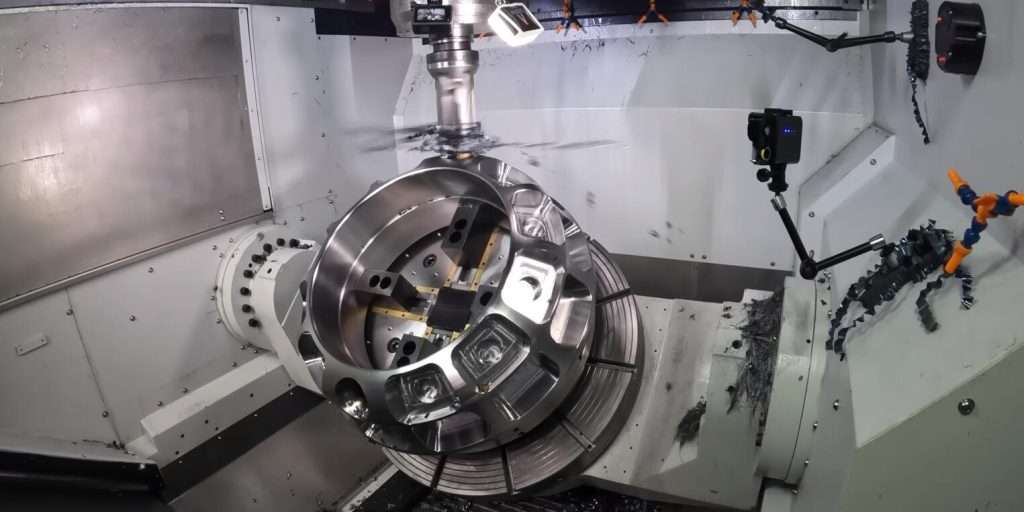
Introduction
“Low volume CNC machining has become an important solution for businesses looking to optimize the balance between prototype tooling and high-end production tooling in recent years. This technique is especially useful for manufacturers requiring low volume production runs while maintaining aesthetics and functionality. High-quality low volume CNC machining can be the best option for making functional prototypes, testing new designs or even making specialized components.
In this article, we will discuss the benefits of low volume CNC machining, its uses for prototyping and precision manufacturing, and how your business can leverage this technology. We will also share relevant tips on how to select the right CNC machining service provider for successful project execution.
Benefits of Low Volume CNC Machining

CNC Machining : Advantages Of Low Volume CNC Machining
We explore these benefits in further detail below:
When you hear CNC machining, the first thought is precision. Utilizing computer-controlled tools allows manufacturers to achieve tolerances as tight as ±0.001 inches, guaranteeing that every produced component meets precise specifications. Industries such as aerospace, medical devices, and automotive require this level of precision because even the slightest variation can make a tremendous difference.
In addition, CNC machining provides uniformity of all parts within a production run. This is particularly important in low volume production where each unit is produced at identical specification, regardless of batch size.
Cost Comparison: High vs Low Throughput
For example, traditional manufacturing methods like injection molding often have costly tooling and setup costs, making them impossible to run for small production runs. Unlike high volume CNC machining, low volume CNC machining does not require expensive molds and tooling, which makes it a cost-effective solution for businesses that are producing small amounts.
One common example is that CNC machining enables direct changes to the designs without substantial prices added, which also works quite well for faster development cycle iterations.
Adjusted for Different Needs
One of the major benefits of CNC machining is its versatility. It is capable of working with many types of materials, metals (aluminum, steel, titanium) and plastics (ABS, PEEK, acrylic). This versatility allows manufacturers to create components that fulfill certain material and functional properties.
In addition, CNC machining is widely used for intricate geometries and designs, making it ideal for highly customized processing applications.
Reduce product development cycles
In the competitive market of today, speed has definitely become the make or break difference in a product. CAE has been streamlining the process for low volume CNC machining significantly reduces lead time. As digitized parts negate the need for tooling or mold creation, manufacturers can go straight from design to production, allowing for quicker iterations and speedier time-to-market.
This fast turnaround is crucial to startups and small companies that want to validate their designs and achieve a competitive advantage.
Use of Low Volume CNC Machining in Prototyping

The prototyping phase is an essential part of the product development process, during which companies develop and test their designs prior to moving to full-scale production. Low volume CNC machining is crucial to the phase as it helps make prototypes in a quick, cost-effective way with high-quality requirements fulfilled.
Rapid Prototyping – it is significant for Product Development
By utilizing rapid prototyping, businesses can recognize and fix design flaws early in the development process, which helps reduce them from occurring further down the line when they could be a costly mistake. Functional prototypes enable companies to test the performance of their designs so that they will meet customer expectations and industry standards for appearance and manufacturability.
How Two Types of Prototypes Are Made With CNC Machining
CNC machining is ideal for prototyping the final part in shape, size, and material properties. This is highly useful for regions like automotive and electronics, where strict dimensions and surface finishes are needed.
CNC machining enables manufacturers to create prototypes within days, enabling rapid iteration and design enhancements. This agility allows businesses to keep up with the competition and adapt fast to changing market parameters.
Success Stories in Prototyping: Examples & Case Studies
| Medical devices | A medical device company used low volume CNC machining to build working prototypes of a new surgical instrument. The precision of the process was so high they could simulate what the device would be like in real-world conditions and christen a successful product launch. |  |
| Consumer Electronics | A prototype casing for a smart watch made using CNC machining by a tech start up. This allowed them to play around with different materials and finishes before settling on a suitable design to scale. |  |
Combining Low Volume Manufacturing with Precision Machining
This is a marriage made in heaven for precision machining and low volume production, allowing businesses to manufacture high-quality parts in a small amount. Here’s how these two approaches feed into one another:
Precision Machining | Core Technologies
These CNC techniques, including 5-axis machining, enable precision machining and the production of complex components with exacting tolerances. Additionally, ultra-precision machining and EDM (Electrical Discharge Machining) Technology also contribute to achieving a higher level of accuracy and quality in the completed product.
Large Scale Production with Small Quantity Production line
· Quality Control: Low volume CNC machining utilises strict quality control; they are in-process inspections and post-production testing. They guarantee that each component will meet specified requirements, no matter how many are produced.
Industry Applications
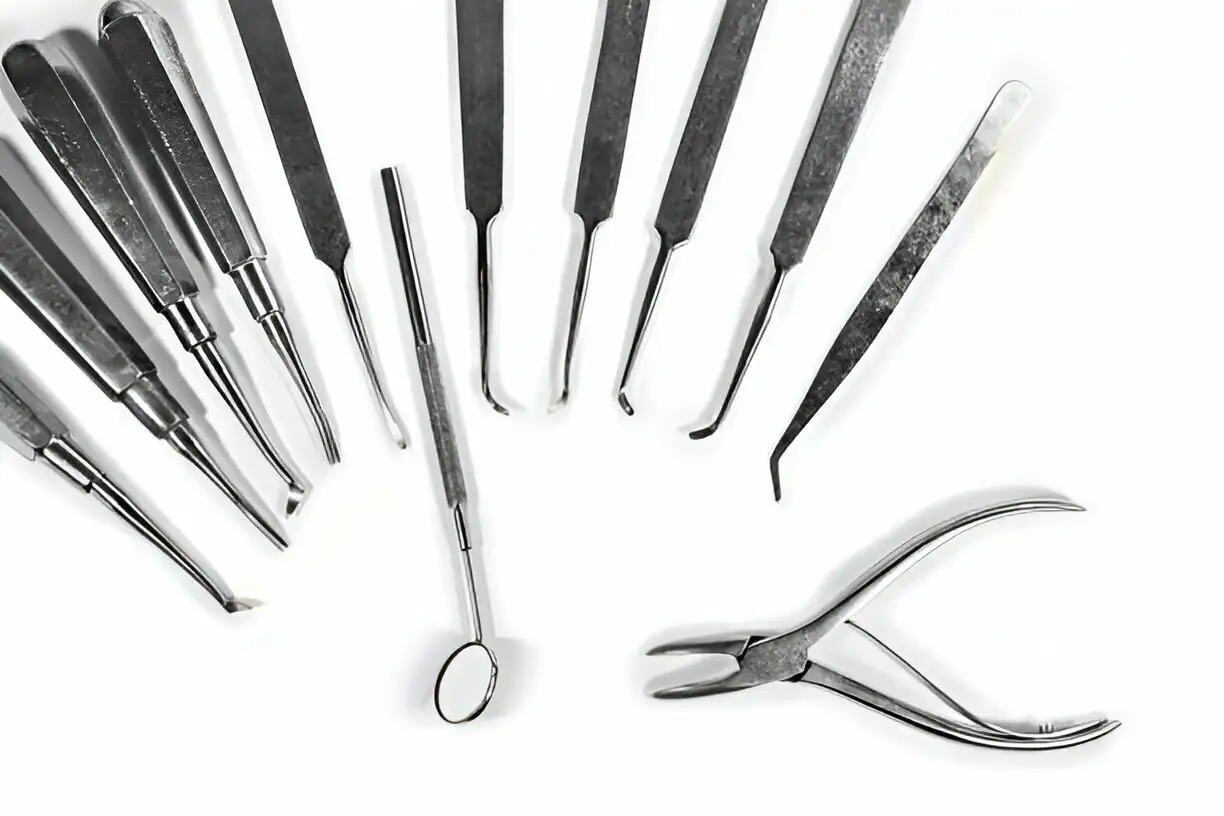
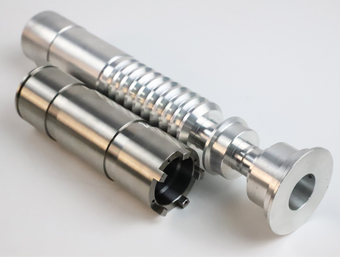
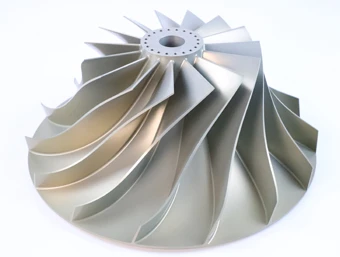
| Medical Devices | Aerospace | Automotive |
| From surgical implements to implants, low volume CNC machining guarantees the precision and reliability essential in the healthcare sector. | The demanding industry of aerospace requires lightweight, high-strength components with complex geometries, which is what CNC machining can offer. | Low volume CNC machining is frequently employed to manufacture custom parts for high-performance vehicles, such as engine components and brackets. |
 |  |  |
Guide on how to Choose the Right CNC Machining Service Provider
Choose your CNC machining partner wisely; the success of your project depends on it. Some things to keep in mind are:
| Assessing Technical Abilities And Equipment |
| A quality CNC machining provider should have advanced multi-axis CNC machines, and be experienced in different materials and designs. |
| Evaluate the Effectiveness of Project Management and Delivery |
| It plays an important role in NPV (No Known Polymer) production where timely delivery is of essence. Find a provider that has a track record of adhering to deadlines without sacrificing quality. |
| Customer Support and After Sales Services |
| When you require technical transactional advice or post-production assistance, exceptional customer service can be a game changer. Partner with enhanced delivery capabilities provider with end to end support throughout project life. |
Conclusion
Overall, low volume CNC machining is an essential resource for modern-day manufacturing, providing companies with the accuracy, adaptability, and cost-effectiveness required to thrive in today’s competitive environment. This technology offers a robust and efficient solution for prototyping, small-batch production, or producing specialty parts.
Low volume CNC machining is an effective tool for product development that can help businesses cut down on costs, speed up product development cycle, and stay ahead of the competition. The most important factor in maximizing its potential is using the right service provider. A partner that has the technology, streamlined process, and top-level customer support to help you meet your manufacturing objectives and make your ideas a reality.