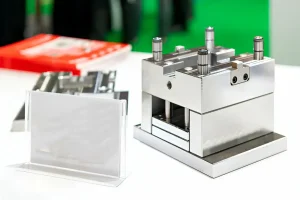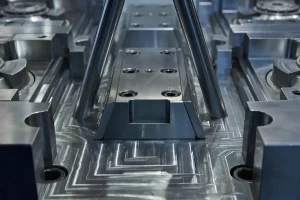


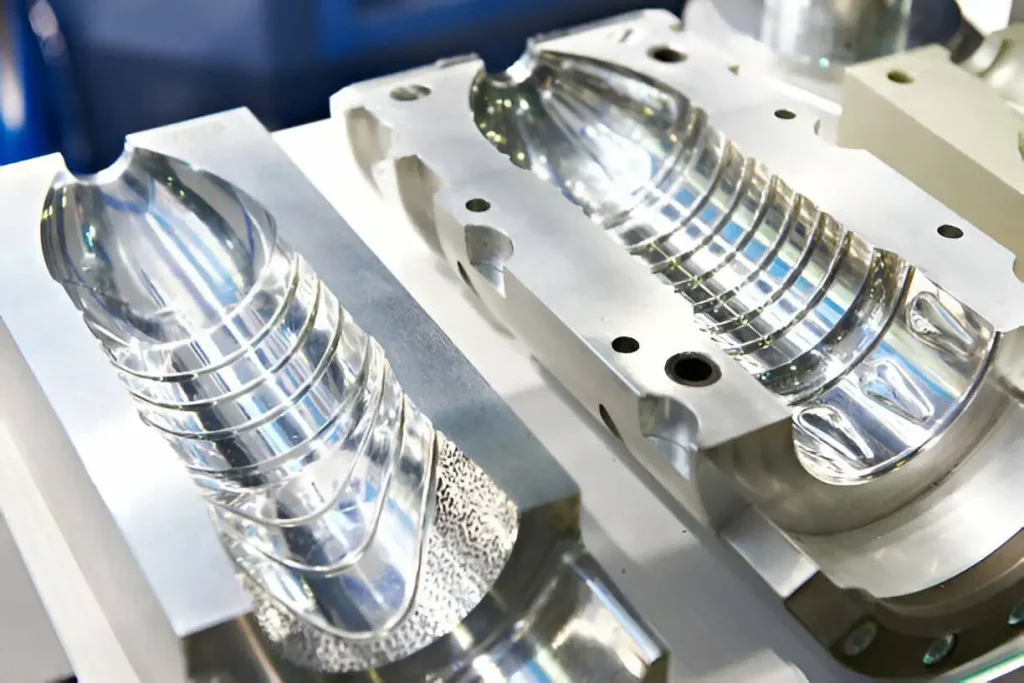
Description
A grade finishes are made using a diamond buffing process and yield shiny and glossy surfaces on injection molded parts.
Click for our professional support

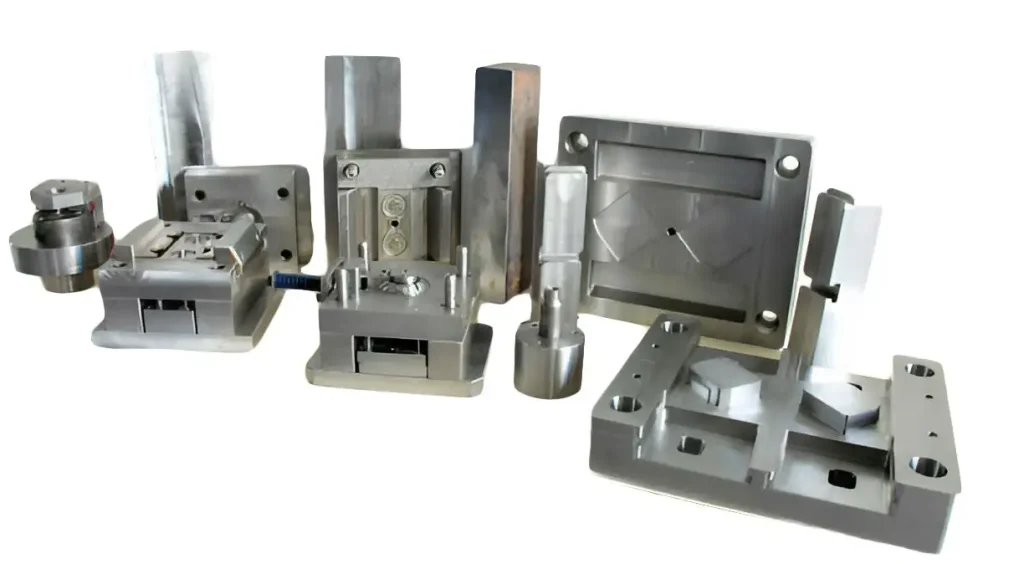
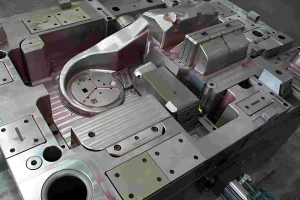
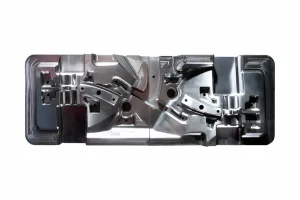
Rapid tooling is a manufacturing process of mold or tools that helps use specialized techniques and equipment to quickly create prototypes and production-grade parts. It is often used to create molds, dies, and other tools used to produce plastic or metal parts. Rapid tooling can create prototypes and production parts for various industries, including automotive, aerospace, medical, and consumer products.
One of the primary advantages of rapid tooling is that it reduces production time and cost. Because rapid tools are quick and easy to replicate, finished tools require less stock. However, the disadvantages are that it is less precise and reduces the product’s lifespan. Rapid tooling is an excellent method for developing small-batch orders in process design, marketing, and product evaluation.
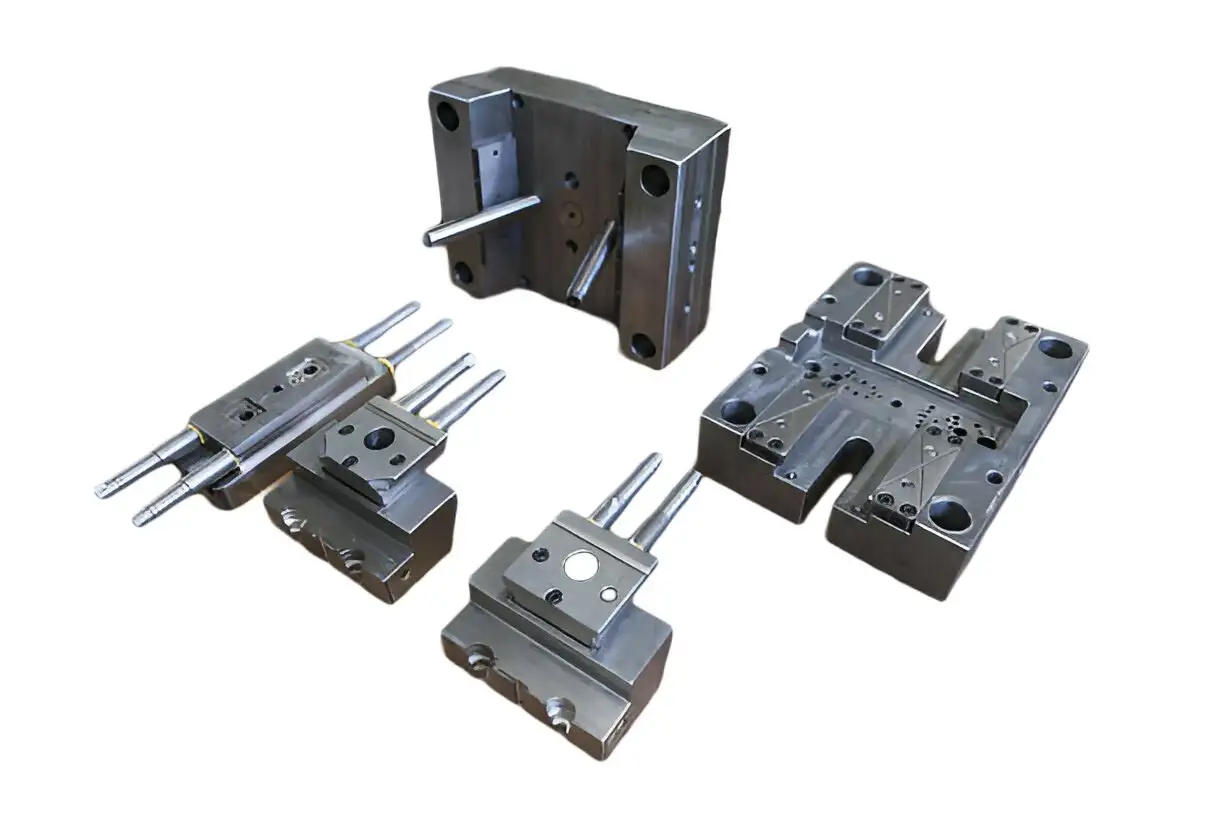
A variety of materials, finishes, tolerances, markings, and certifications are available for your order. We can accommodate any specifications you need. Our experts can help you select the right option. We aim to deliver an excellent product at a reasonable price.

You don’t have to worry about sourcing, project management, logistics, or shipping with our experts. We ensure that our customers receive their parts in perfect condition and on time. Throughout the process, we provide guidance and support to our customers.

It is our pleasure to inform you that we are ISO 9001:2015, ISO 13485, and AS9100D certified.We review each Supplier’s qualifications, capabilities, and ethical standards using our system. Quality, safety, and reliability are our top priorities.
You ideally want a precision machined part supplier who can meet both accuracy and precision requirements so you can make sure your parts are consistent and meet your design intent.
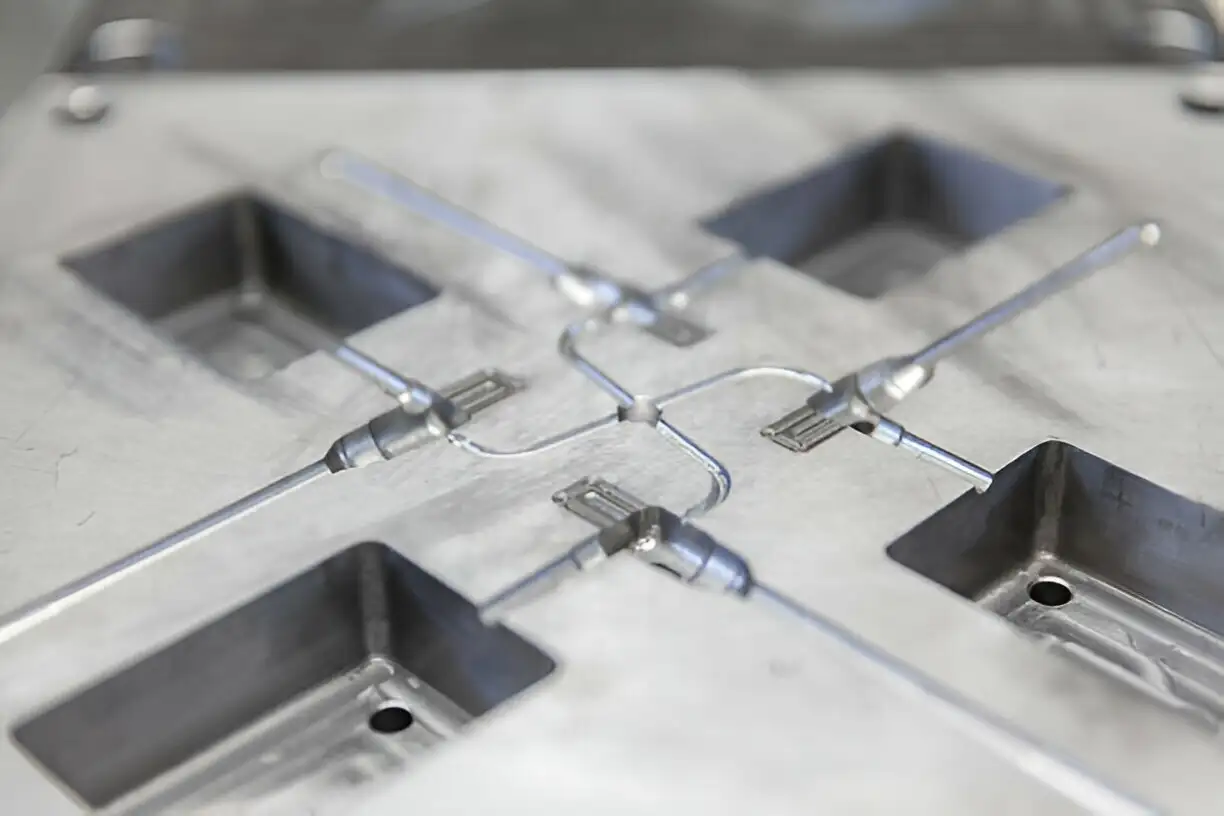
Aluminum Mold Tooling
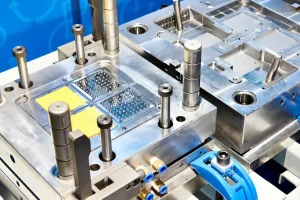
Producing injection molded prototypes is cost-effective. Aluminum tooling reduces part deformations and waste production. Tooling costs are reduced by up to 25% by using aluminum molds. Reduces cycle times by 30-40%. This contributes to faster turnarounds. Aluminum molds are cost-effective, dimensionally stable, and have short cycle times, making them ideal for prototype injection molding.
Get the best solution for your project
Steel Mold Tooling
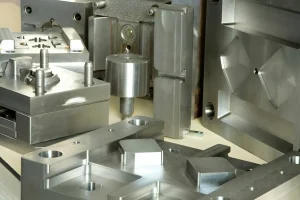
Steel has a longer life cycle than other materials. This is best suited to high-volume production. It is more expensive and takes longer to produce mold tooling and prototypes than aluminum. It may not be the best choice for intricate projects because it is difficult to mold and shape. Steel also cannot be used for projects requiring lighter materials due to its weight. Steel is best used when producing large quantities and for engineering-grade plastic molds.
Get the best solution for your projectTake a look at our versatile selection of materials to learn more about rapid tooling. For prototyping and low-volume production, aluminum offers lightweight and cost-effective solutions. The durability and precision of tool steel makes it an ideal material for high-volume manufacturing. A stainless steel product ensures corrosion resistance and strength, making it the ideal material for demanding applications. You can achieve optimal results with these materials in your rapid tooling projects.
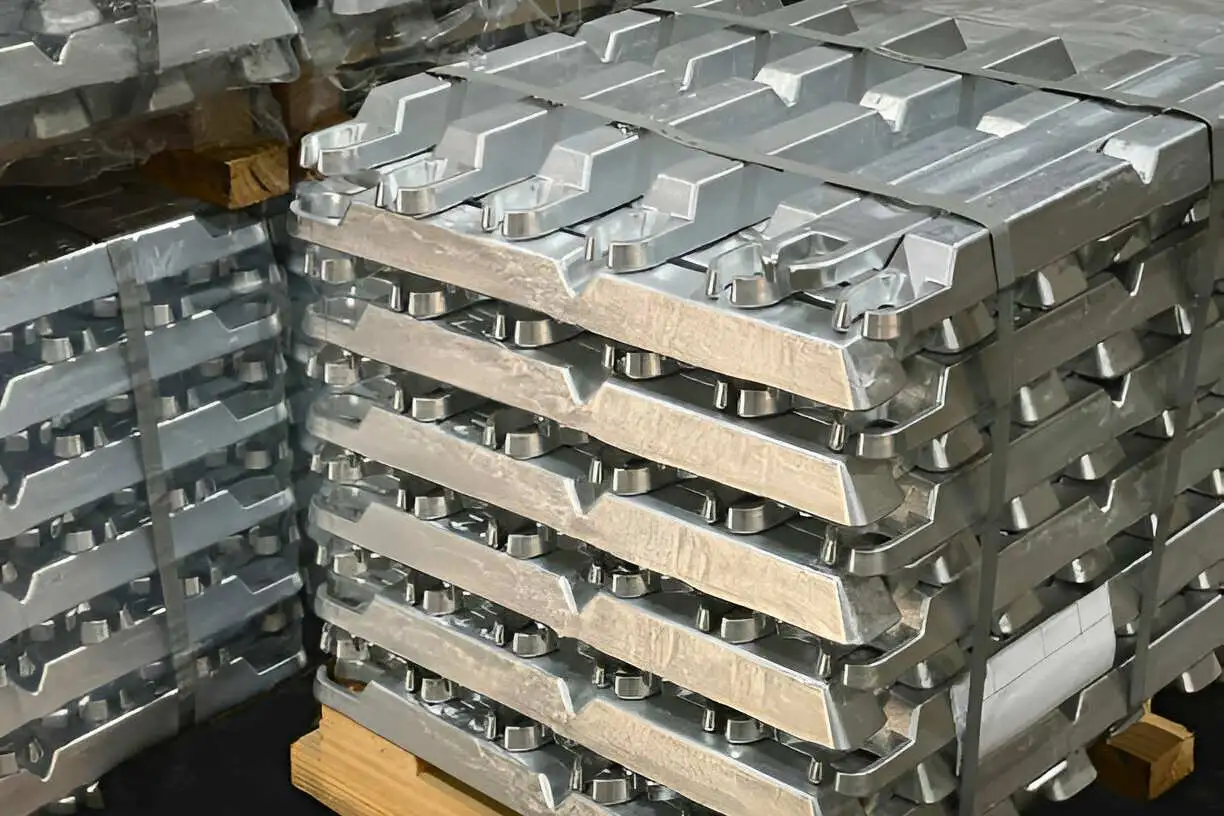
Aluminum molds cost substantially less than traditional steel and carbon steel injection molds. Aluminum molds offer faster cycles and quick turnaround to help test markets.
Type:
Get expert advise for your project
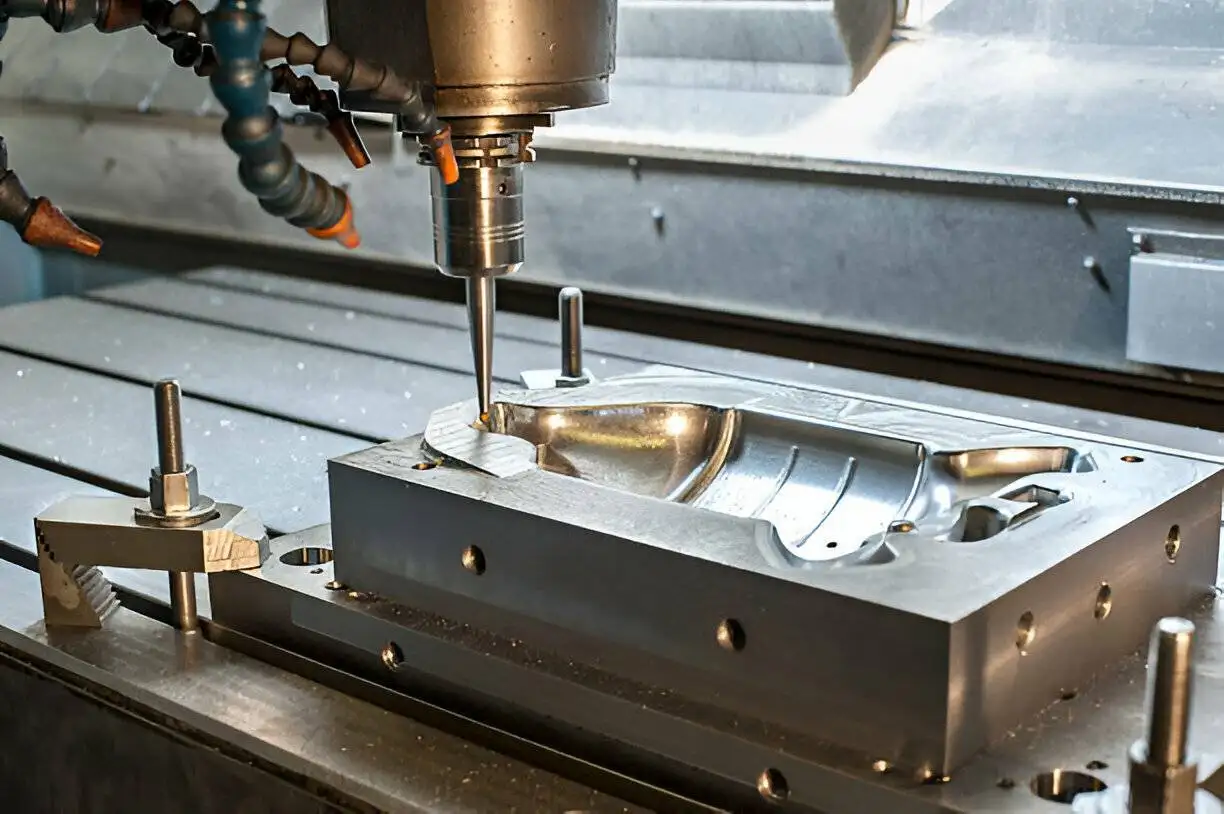
Before injection molding process starts low or high-volume production, a high tolerance CNC machined tooling is needed. Most commonly used materials include tool steel.
Type:
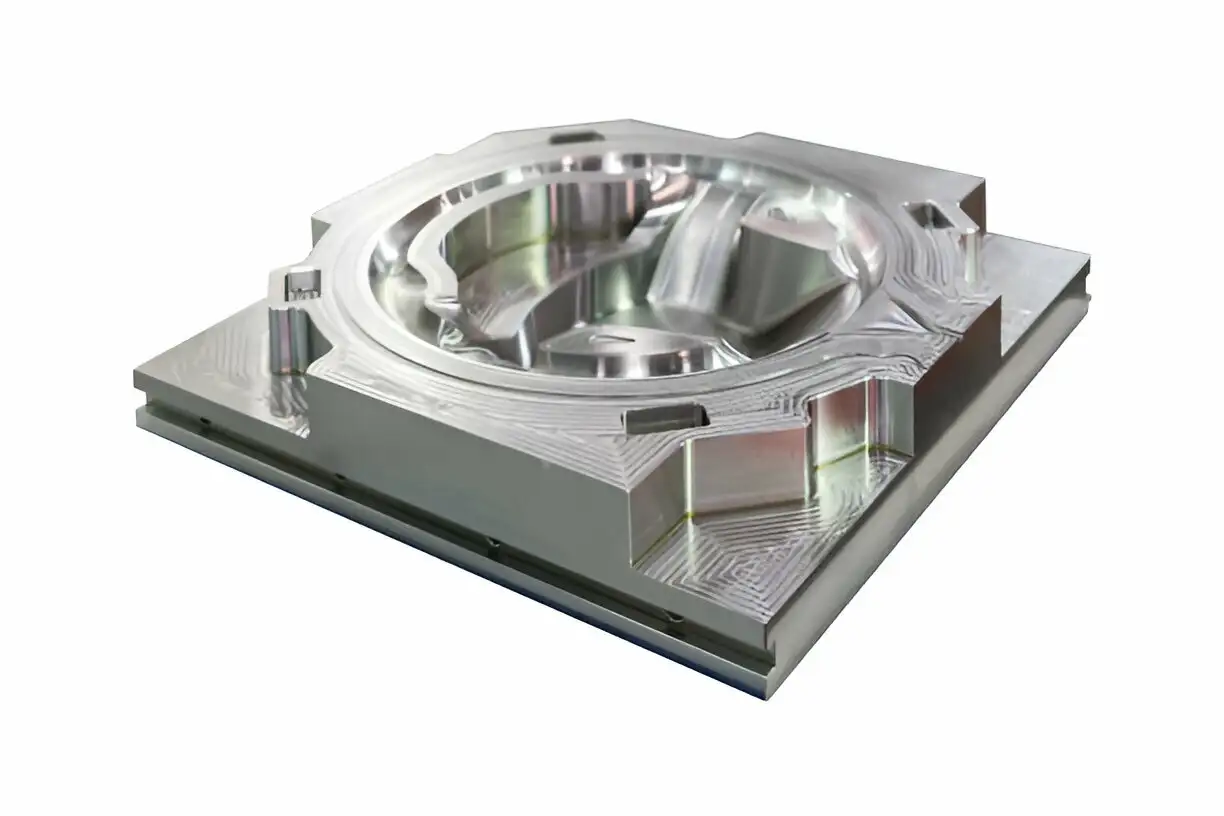
Injection molds were created from steel and stainless steel which are expensive to manufacture. They are typically only used in large-scale productions.
Type:
Get expert advise for your project
A grade finishes are made using a diamond buffing process and yield shiny and glossy surfaces on injection molded parts.
Click for our professional support
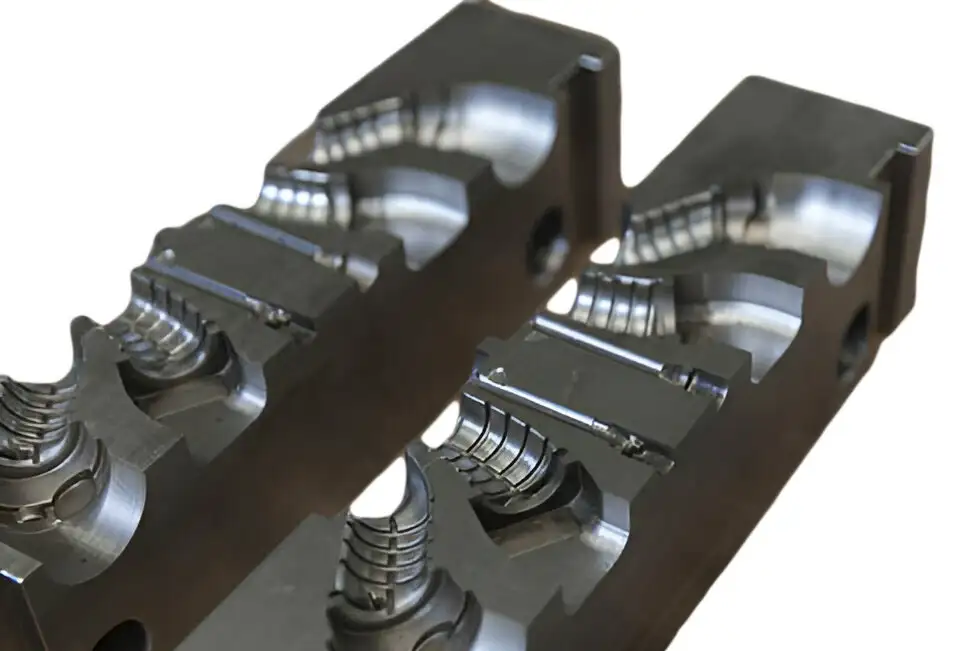
B grade finishes use grit sandpaper to produce parts with a slightly rougher finish than grade A parts. Custom molded plastic parts that undergo B grade finishing have a matte surface texture.
Click for our professional support
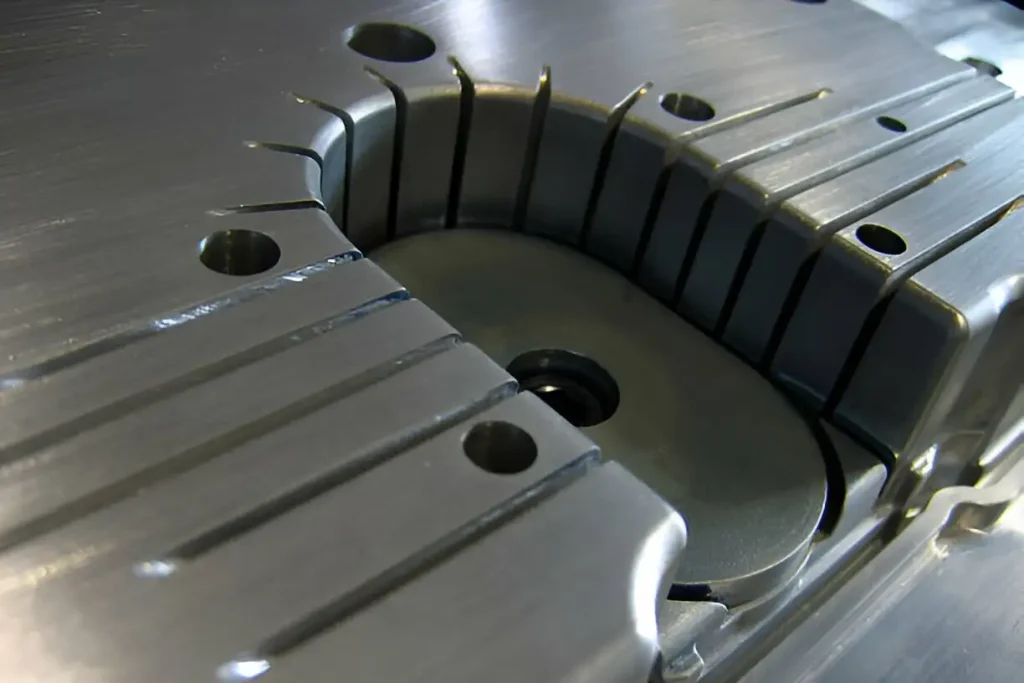
C grade finishes use grit sanding stones to produce a rough, uneven surface. Injection plastic parts that undergo C grade finishing have a matte surface texture.
Click for our professional support
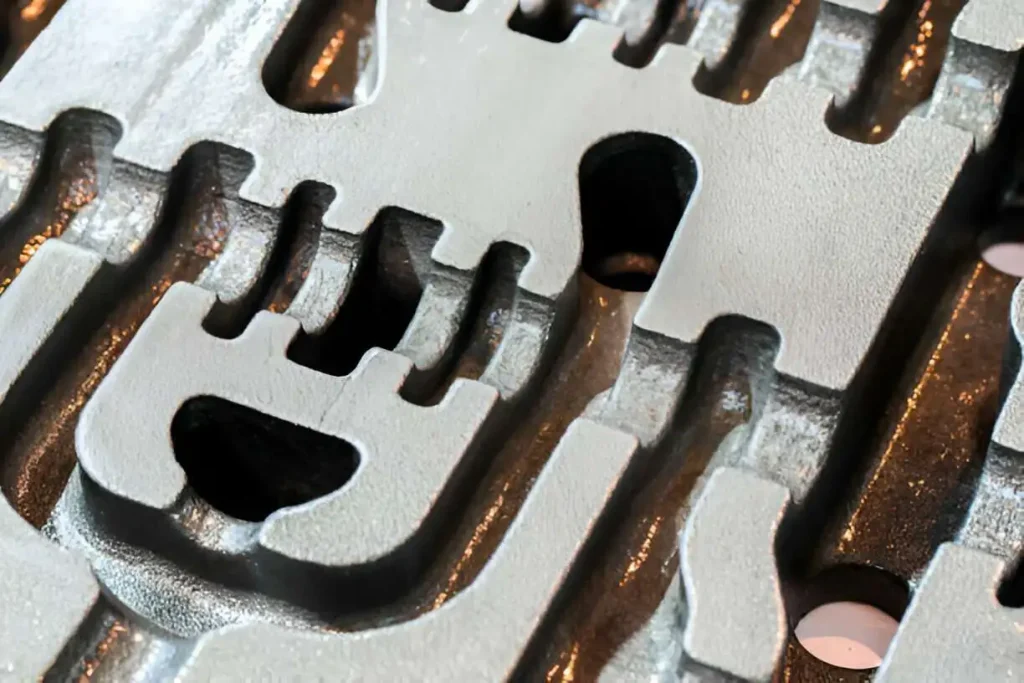
D grade finishes use grit and dry glass beads or oxide to produce a very rough textured finish. Depending on the type of material used, products can have a satin or dull finish
.
Click for our professional supportUnlock limitless possibilities with our rapid tooling capabilities. From quick turnaround times to precise mold manufacturing, we empower you to bring your designs to life with speed and precision. Experience innovation at its finest with our cutting-edge rapid tooling services.
| Mold Class | Purpose | Shot Life | Tolerance | Cost | Lead Time |
|---|---|---|---|---|---|
| Class 105 | Prototype Testing | Under 500 cycles | ± 0.02mm | $ | 7-10 days |
| Class 104 | Low-volume Production | Under 100.000 cycles | ± 0.02mm | $ $ $ | 10-15 days |
| Class 103 | Low-volume Production | Under 500.000 cycles | ± 0.02mm | $ $ $ $ | 10-15 days |
| Class 102 | Medium-volume Production | Medium to high production | ± 0.02mm | $ $ $ $ $ | 10-15 days |
| Class 101 | High-volume Production | Over 1,000,000 cycles | ± 0.02mm | $ $ $ $ $ $ | 10-18 days |
 CoC Material Test Reports
FAI Material Certifications
CMM RoHS

Laser cutting is a frequently used manufacturing process in industries such as energy storage, computer electronics, robotics, and aerospace. Common parts fabricated with laser cutting include:


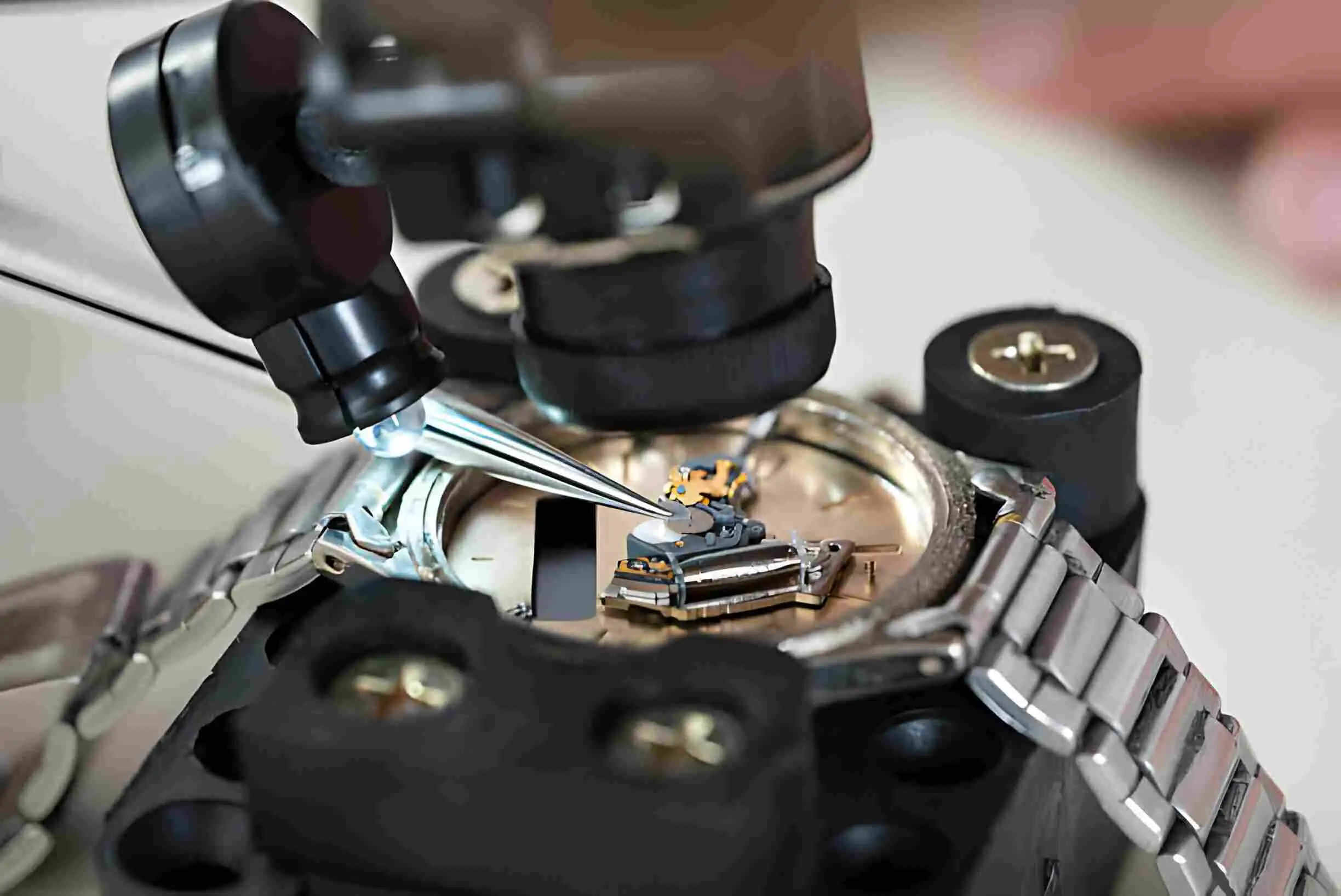

Simplicity in design will speed up mold creation and reduce production costs. Consult with our experts to determine which materials are best for your application. Improve efficiency and production volume by using multi-cavity molds. The tooling process should be reviewed and refined regularly in order to ensure efficiency. By utilizing these insights, you’ll be able to unlock the full potential of rapid tooling, ensuring faster, more precise, and better results.
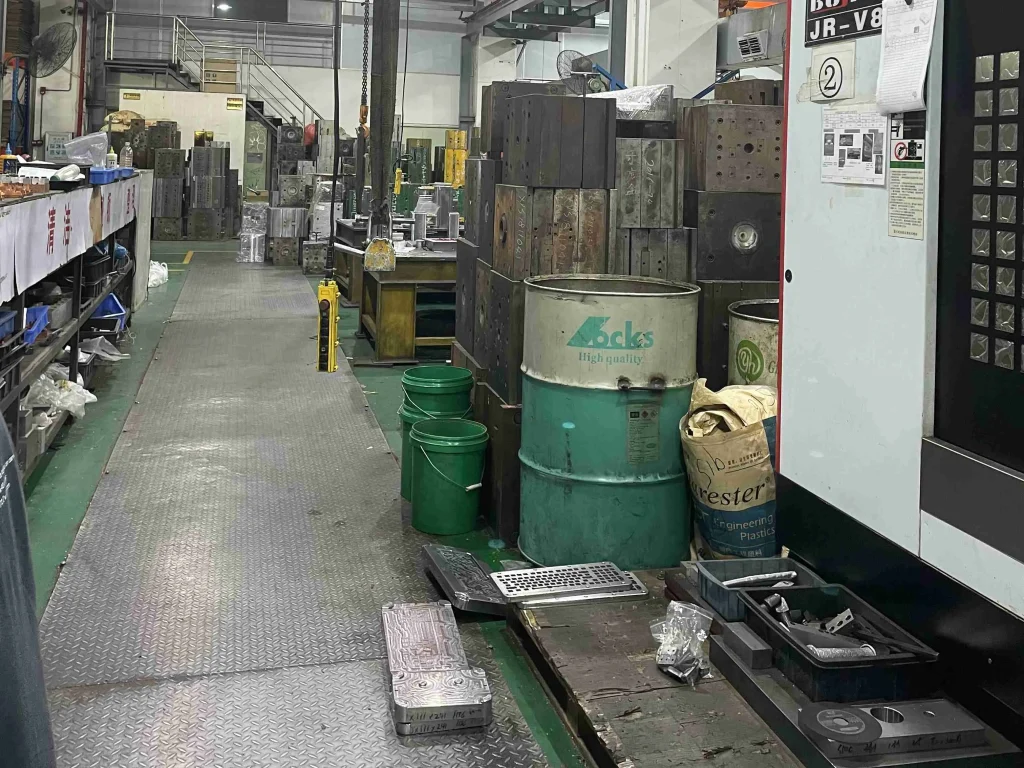
Ensure rapid mold creation for your projects with the seamless integration of advanced machinery and skilled craftsmanship. Get a feel for the efficiency of our multi-cavity mold setups, which are designed for high-volume production. To streamline the tooling process, our expert team collaborates with you to select optimal materials. Embrace the simplicity of design and the cutting-edge technology of rapid tooling.
Start your project nowCheck out our display of Rapid Tooling. At EPRO, you can confidently get the best Rapid Tooling!