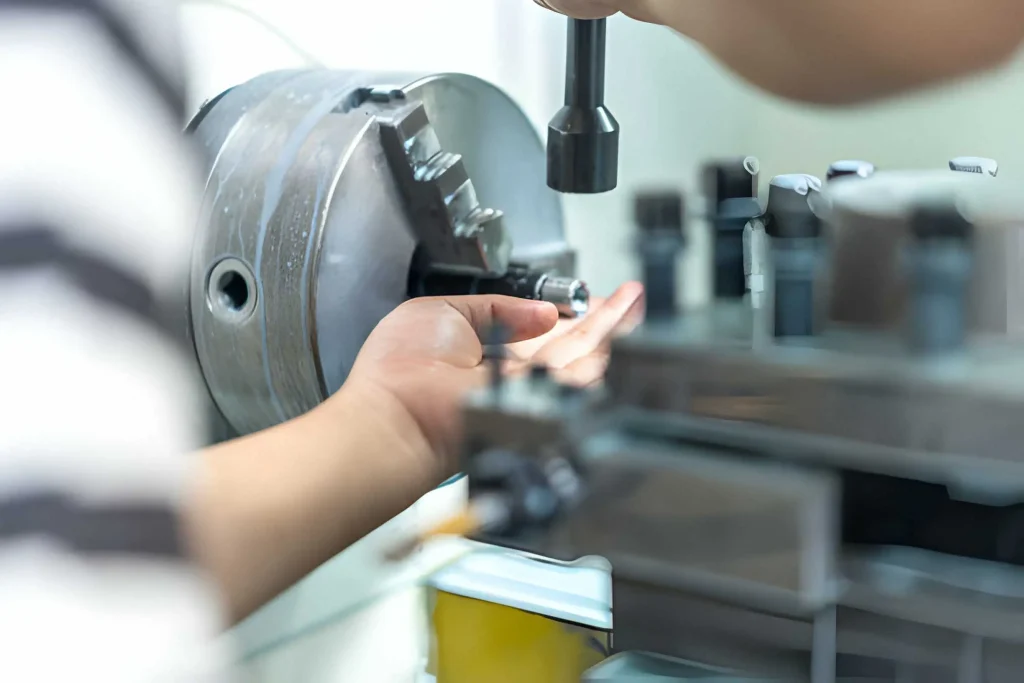
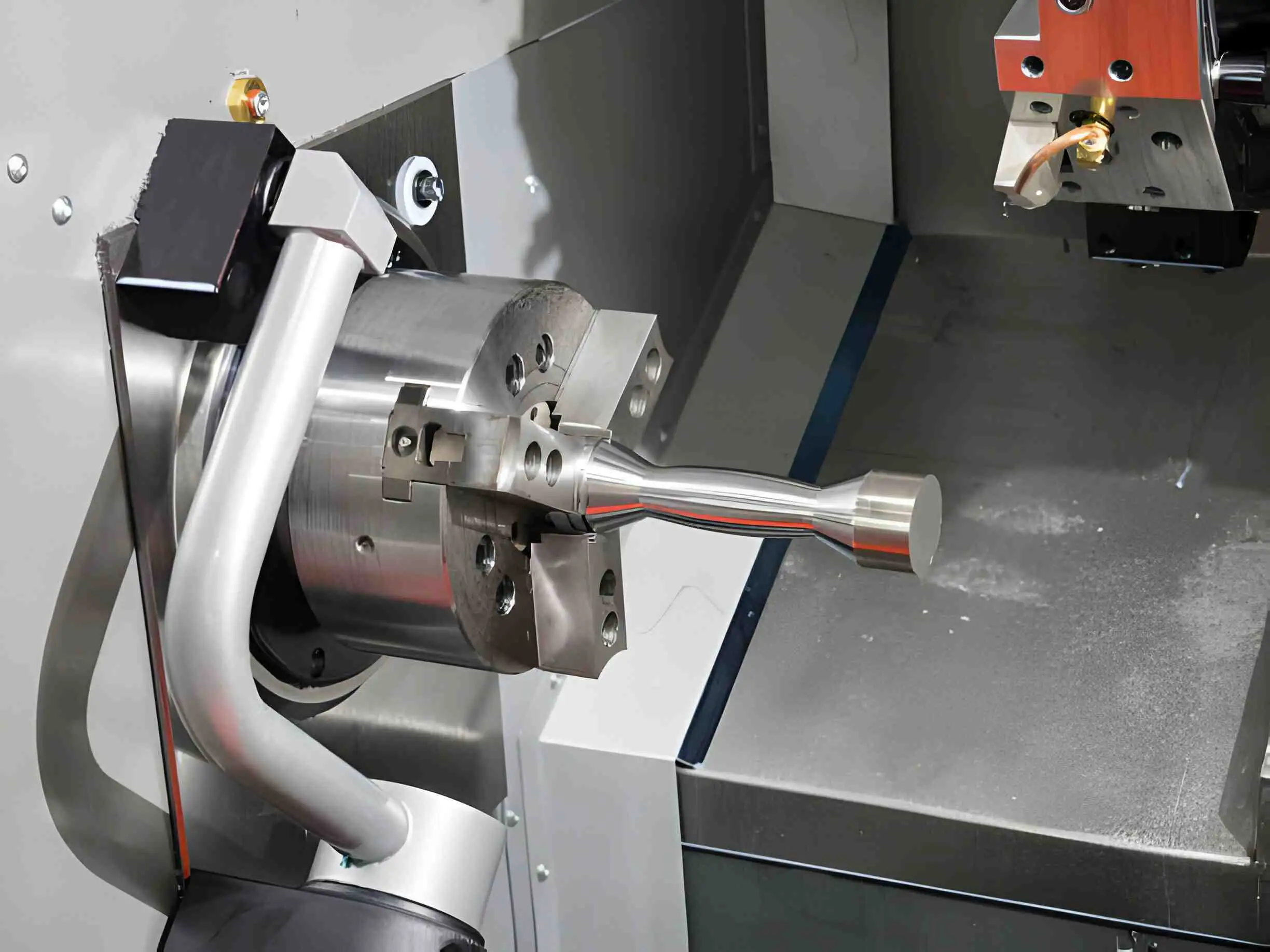
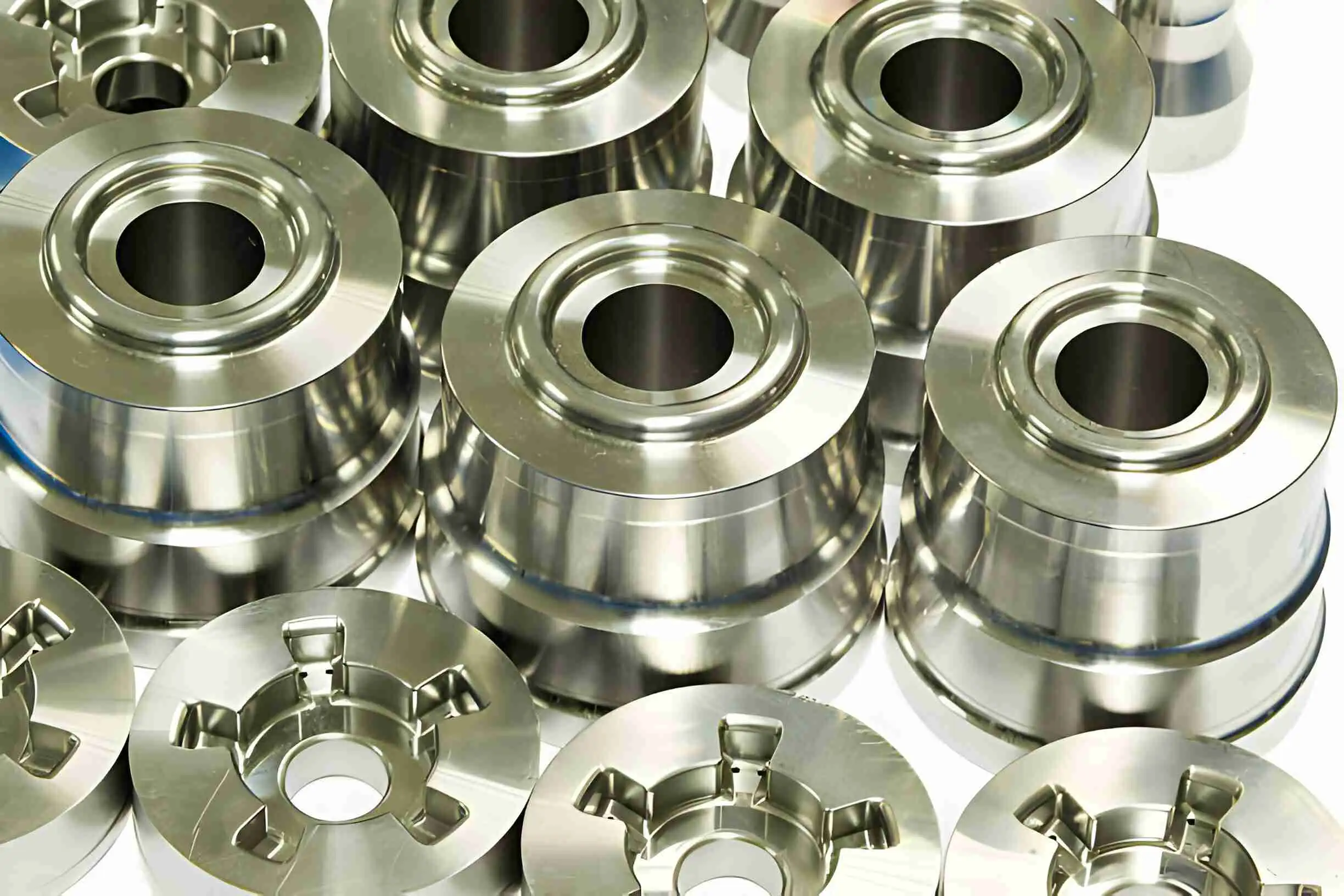
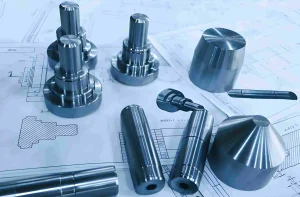
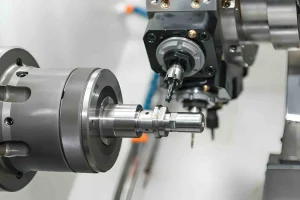
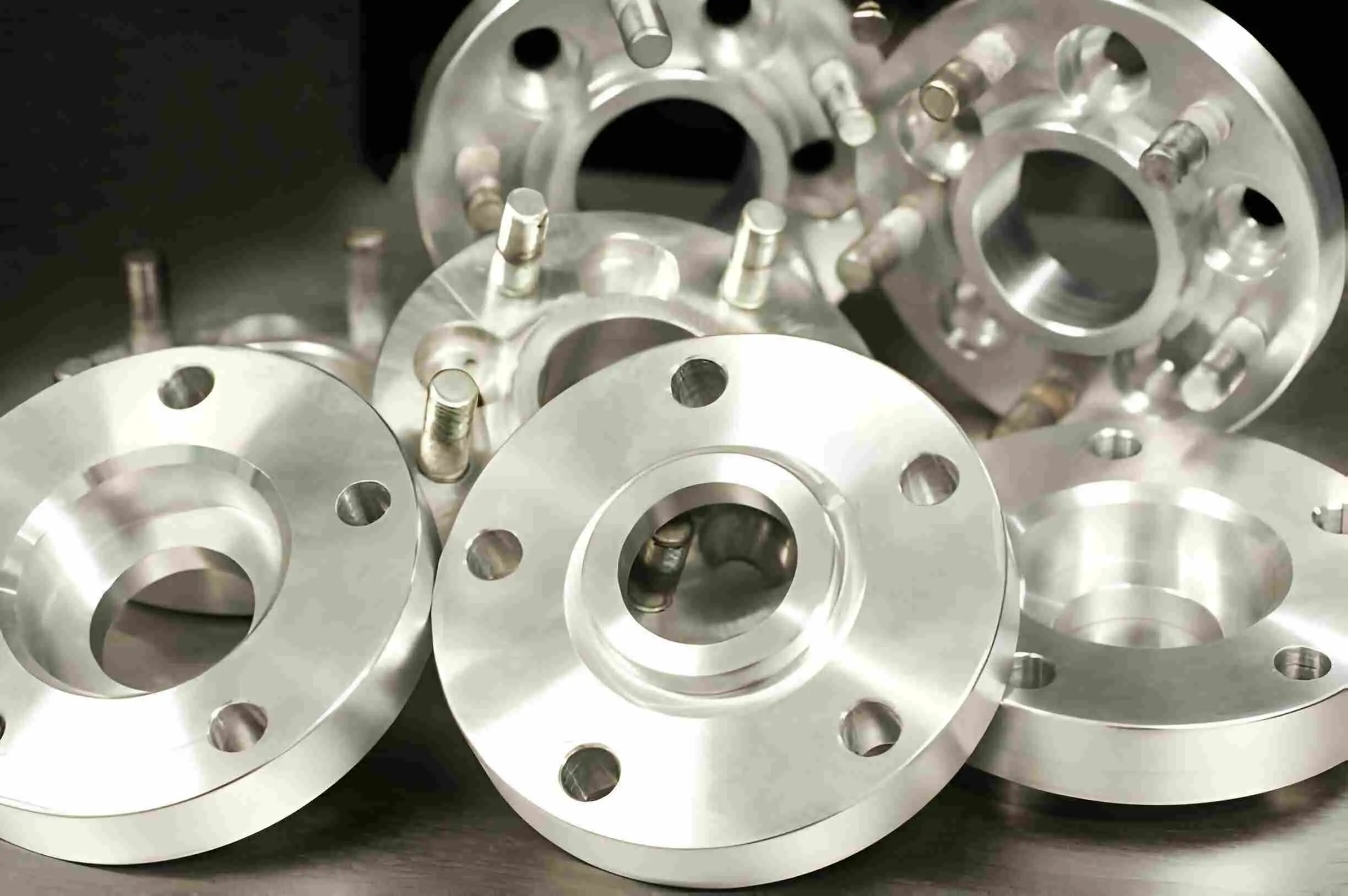
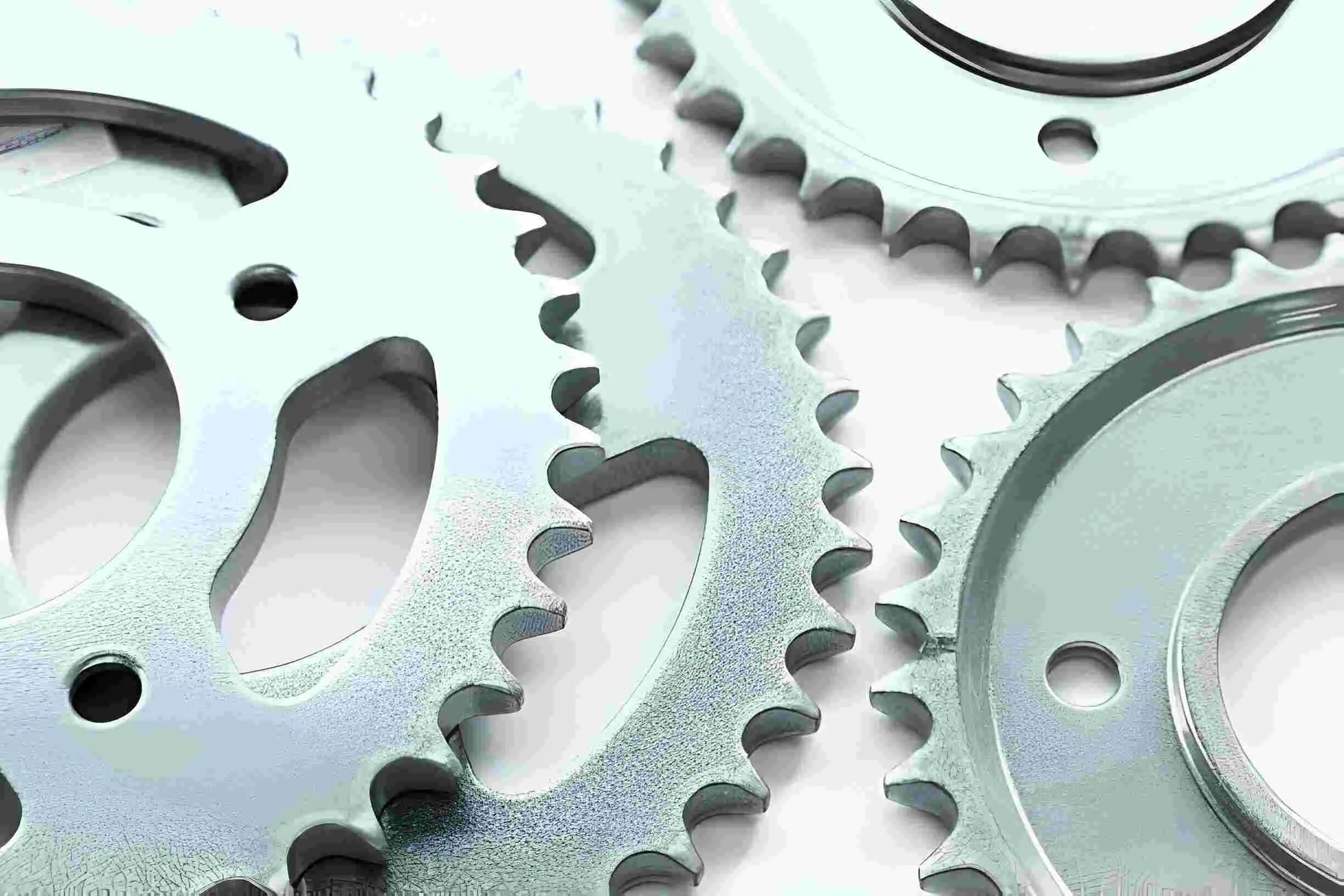
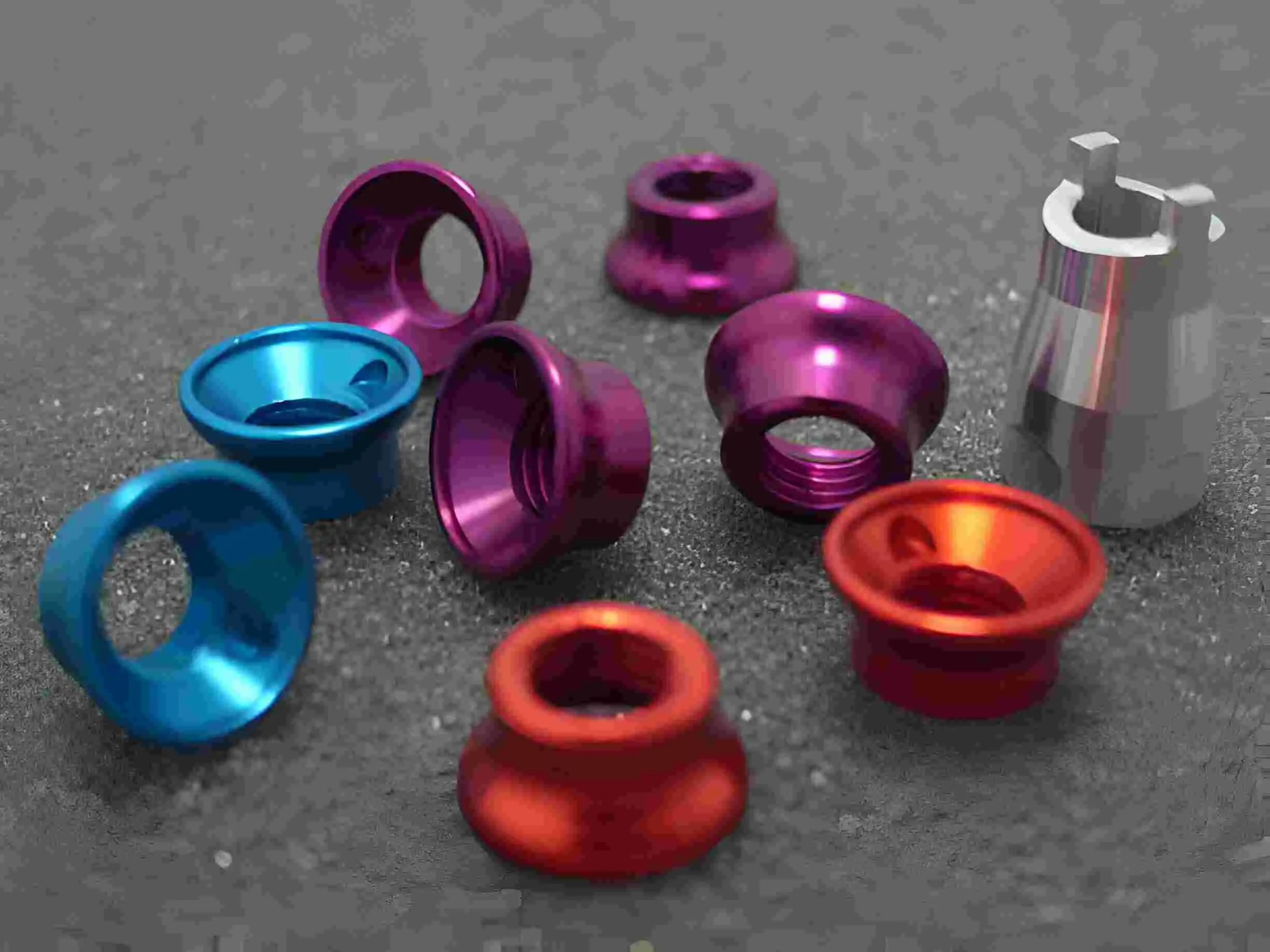
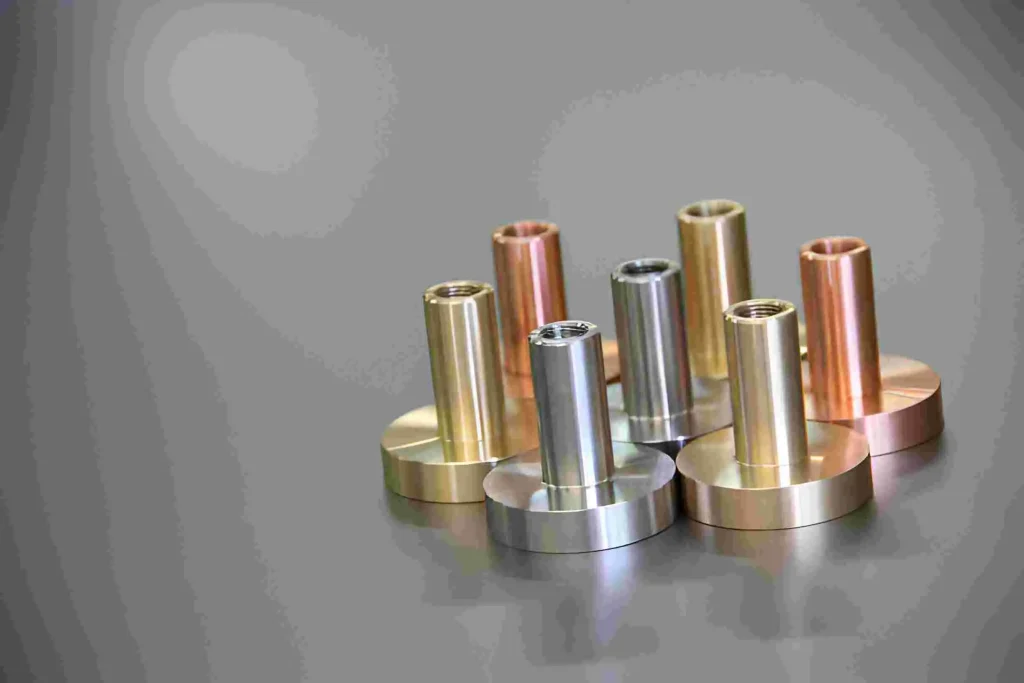
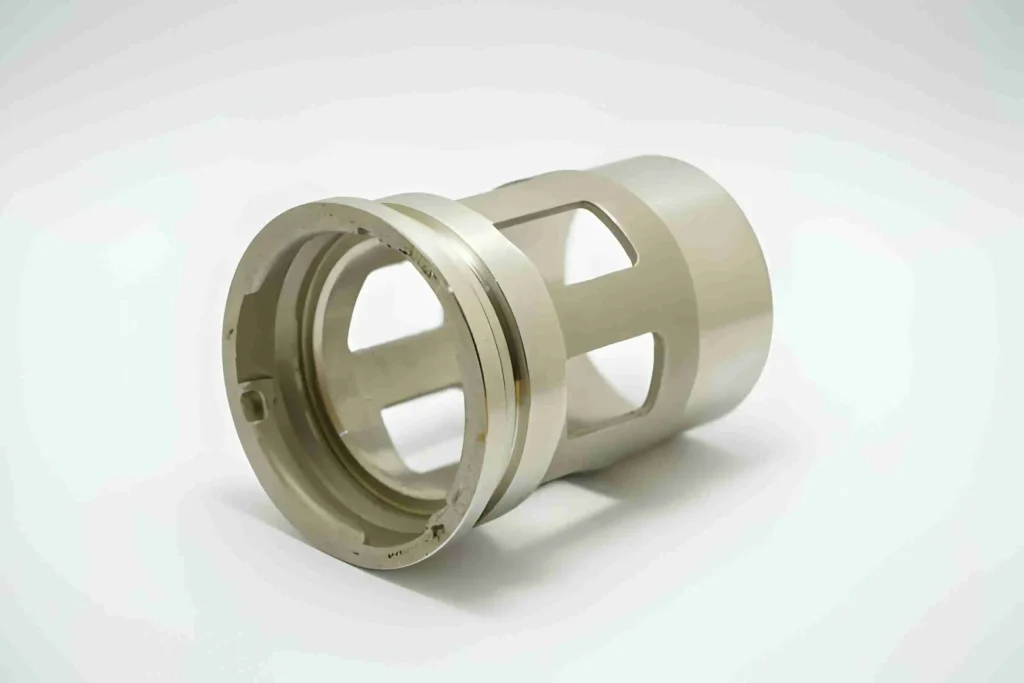
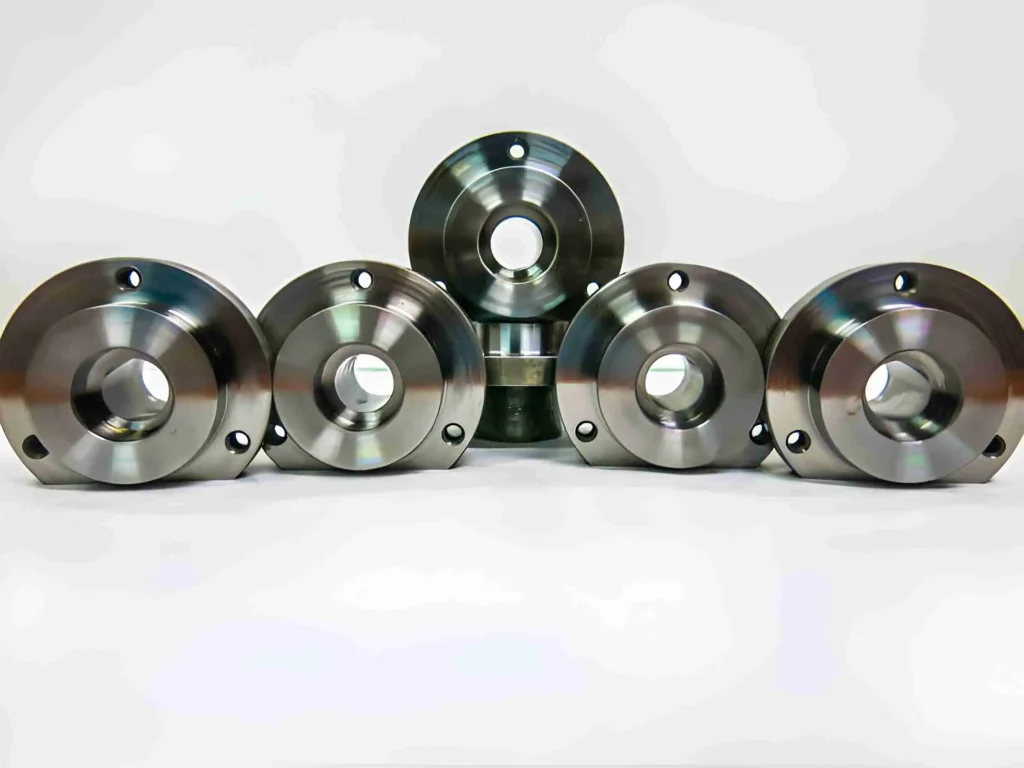
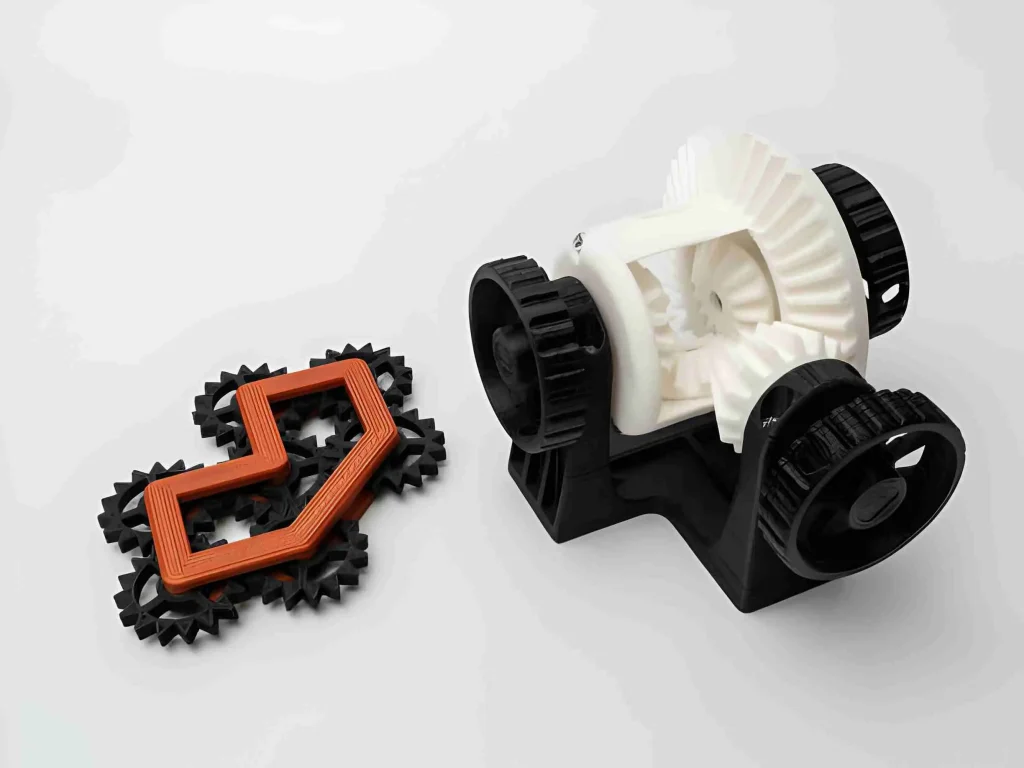
O.D. and I.D. Turning // It is used for machining precise cylindrical features. Precision cylindrical features can be machined with this tool. During turning, tool marks remain visible, indicating how deep the part was machined (tool used: general turning tool).
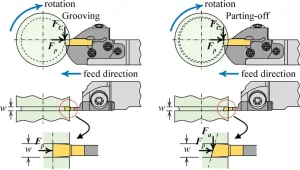
Parting and Grooving // The Parting and Grooving Inserts can be used to part off or groove interior and exterior parts of a part. Material is removed from the surface when the tool is moved. Cutting speed and geometry determine the depth of a groove. Create holes, slots, and other shapes with inserts with grooves and partings.
Facing // A facing tool is used to flatten a workpiece’s surface (Tool used: Facing tool) The tool works in a circular motion to smooth the surface. In this operation, a flat surface is created that can be machined.
Boring and Reaming // Tools for boring and reaming holes can be used in metal, plastic, and other materials. Increasing or finishing existing holes can achieve highly accurate diameters. Precision holes are commonly used in machining and other applications. Threading holes can also be done with boring tools.
Drilling // Using drills, drill holes in metal, wood, and other materials by removing materials from the inside. The size, shape, and speed of these machines vary, and their application possibilities are numerous. Different drill bits are available in different sizes and shapes.
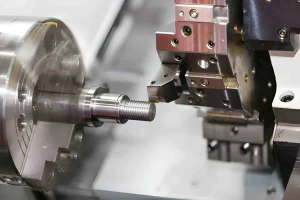
Threading // It is possible to machine threads by turning a workpiece internally or externally. The threading tools are usually made of high speed steel and come in a wide variety of shapes. Taps and dies are used for machining internal and external threads. Threading tools can also be used to create slots and keyways.