

Description
Secondary options include a primer or dye color that can be applied as well as taps and inserts.Including:
- Color Dyed
- Media Tumbled
- Nickel Plating
- Coatings
- Painting
- Additional Finishes

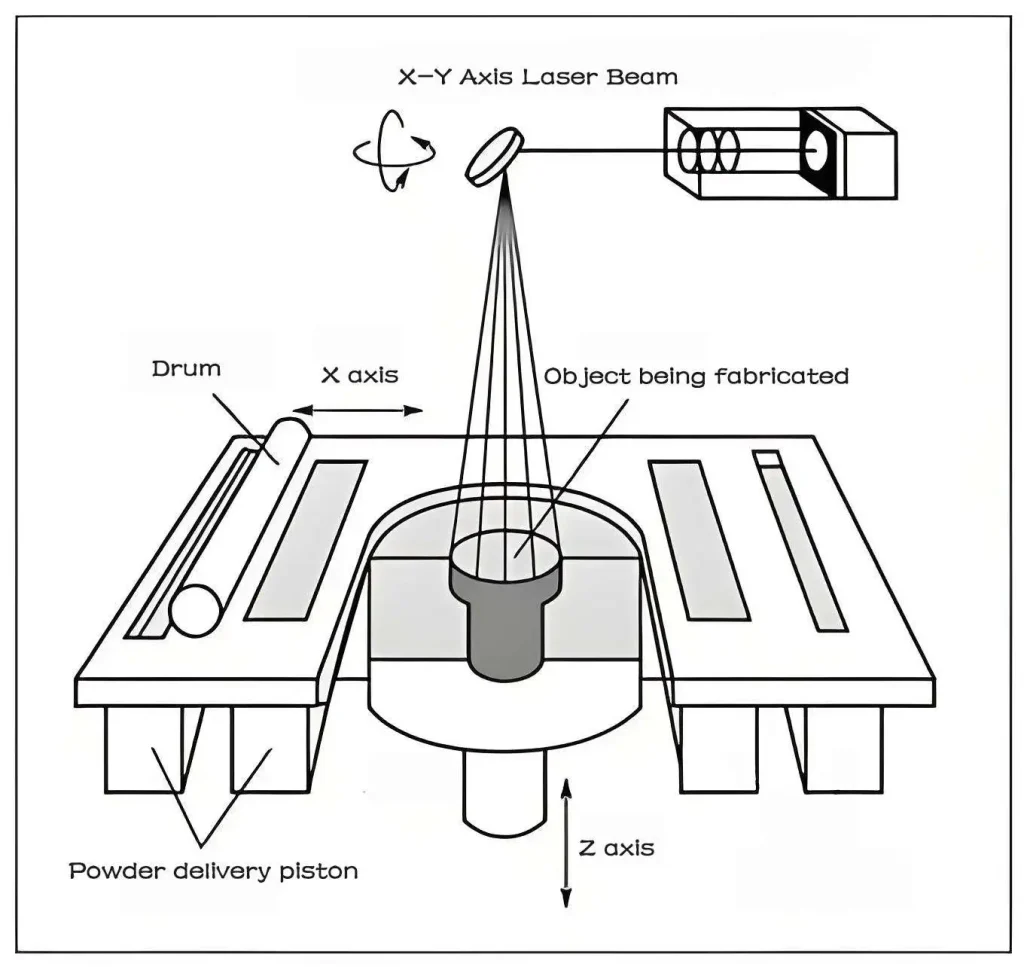
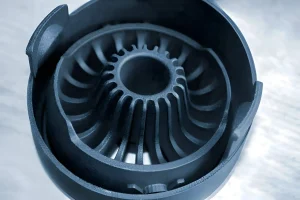
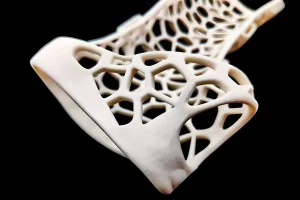
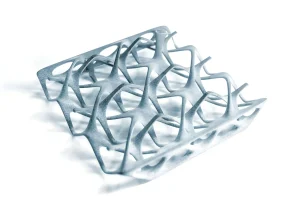
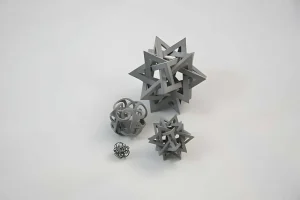
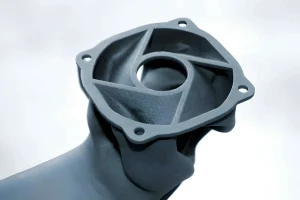
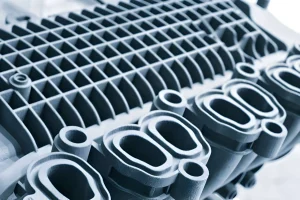
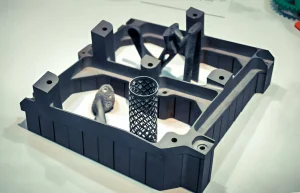
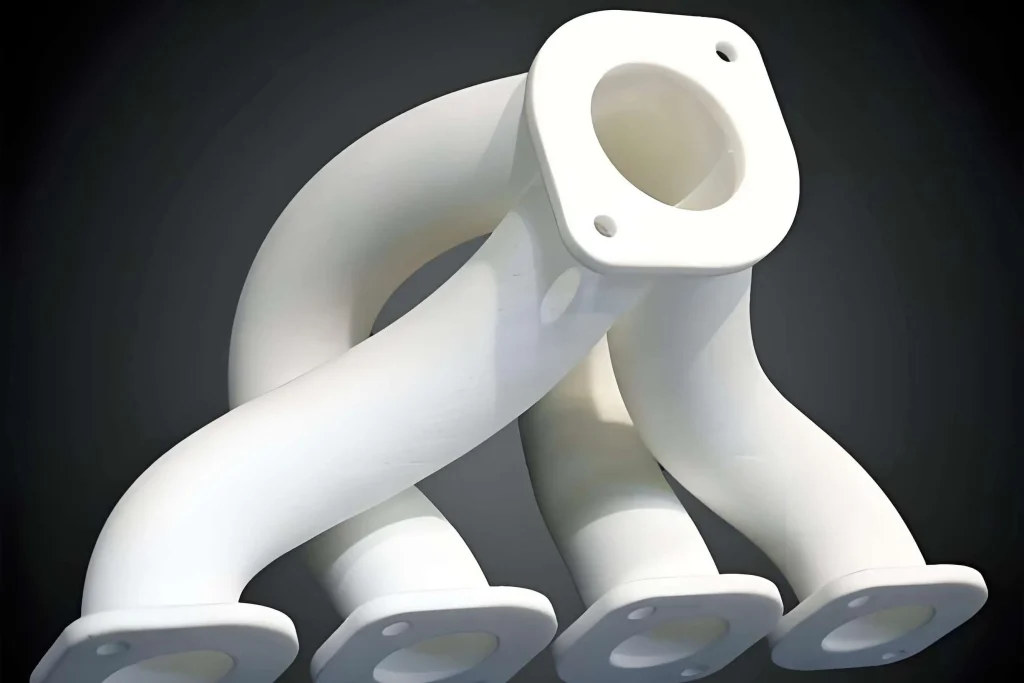
SLS uses lasers for melting nylon powder into plastic. SLS allows for precise and minimal waste in the creation of complex shapes. This method is a cost-effective way to produce intricate plastic parts, which were previously impossible. SLS 3D printing is used in medical applications and for other specialized uses.SLS is capable of creating intricate shapes and complex details. SLS is also capable of producing strong parts that have tight tolerances. This type of 3D printer can produce rough prototypes of your products as well as large quantities of prototypes in plastic. SLS is a viable option for 3D-printing and an excellent choice for prototyping.

SLS allows for the creation of parts with fine detail by layering intricate designs. SLS is ideal for prototyping as well as end-use manufacturing.

Multi-part constructions are possible. SLS scans the laser quickly and efficiently, leading to high productivity at low cost. It increases production and lowers costs.

SLS does not require any post-processing or support structures. SLS is low-cost per part because leftover powder is reused and support structures are eliminated.

SLS allows for the fabrication of complex geometries and moving parts as well as interior components, without any support structures.Flexible design leads to more innovative and creative products.

SLS produces isotropic components with strong bonds. SLS is a great manufacturing method because of its high impact resistance.

SLS parts are dyeable and colorable. By adding pigments to the raw material powder, SLS printing is able to dye or color parts. Colors can be customized and vibrant.
You ideally want a precision machined part supplier who can meet both accuracy and precision requirements so you can make sure your parts are consistent and meet your design intent.
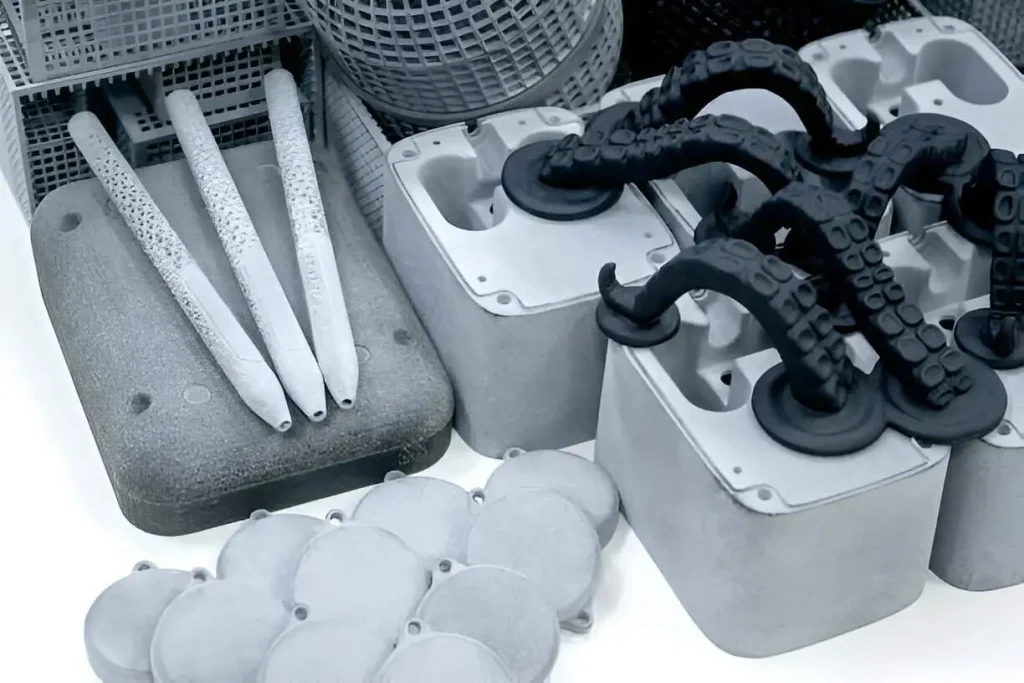
Our company offers more than 100 thermoplastics. Our SLS materials are available in nylon, polypropylene and glass-filled nylon. They offer a variety of properties to suit your needs. We tailor our materials according to the requirements of our clients.
Secondary options include a primer or dye color that can be applied as well as taps and inserts.Including:
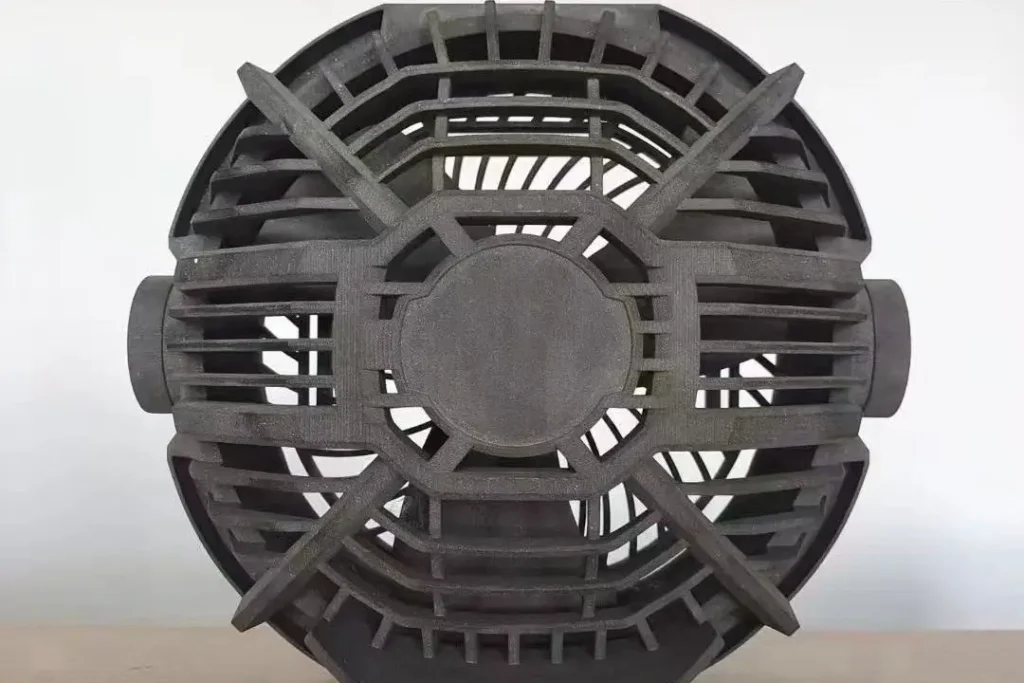
Bead blast to remove all powder, which leaves a consistent overall texture.
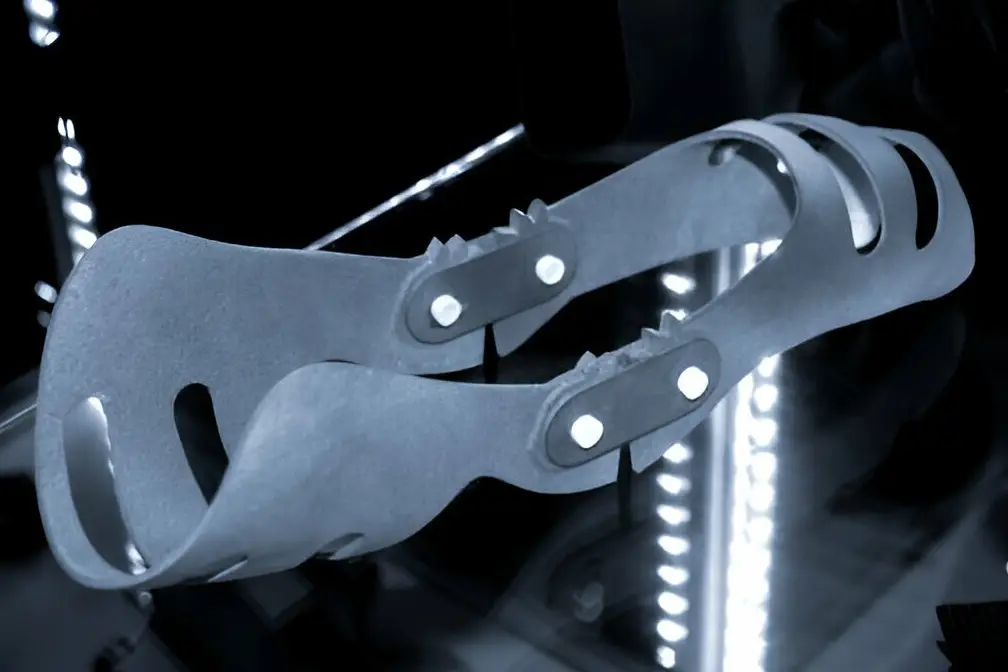
Significant reduction of surface roughness from 250+ μin RA (as-printed) to 64 – 100 μin RA (after smoothing. Available for PA11 Black.
The guidelines for laser sintering include considerations that enhance manufacturing, cosmetic appearance and overall production efficiency. Numerous factors are taken into consideration, including the part orientation, wall thickening, and laser power. These guidelines will help you achieve a successful SLS project.
| Description | Notes |
|---|---|
| General Tolerances | +/- 0.010” for the first inch is typical, plus +/- 0.002” for every inch thereafter. |
| Build Area | Build area up to 13" x 13" x 20". Glass filled can extend up to 26" x 15" x 23". |
| Minimum Feature Size | 0.030" or greater. |
| Standard Layer Thickness | 0.0045" |
| Minimum Wall Thickness | 0.030" or greater. |
 CoC Material Test Reports
FAI Material Certifications
CMM RoHS
Use Selective Laser Sintering to transform your industry. This cutting-edge technology has transformed many industries from aerospace to health care. SLS allows for high accuracy and repeatability. SLS is a cost-effective, efficient process with a faster turnaround time than traditional machining. SLS allows you to create intricate aerospace components, customized implants and innovative consumer electronics, all with unmatched precision and design freedom. SLS technology opens up limitless opportunities for your industry.
Get professional sugguest for your SLS Projects
SLS is a versatile tool for both production and prototypes.
SLS is a powder-based process, which means it produces a rougher surface finish. It also has lower resolution. Avoid large flat surfaces as they are more prone to warping. Ribs should be used to support SLS parts with flat surfaces. The ribs should be evenly spaced and perpendicular with the flat surface. The ribs must be thick enough to support the part and make it cost-effective for printing.
Contact our team for rapid manufacturing.
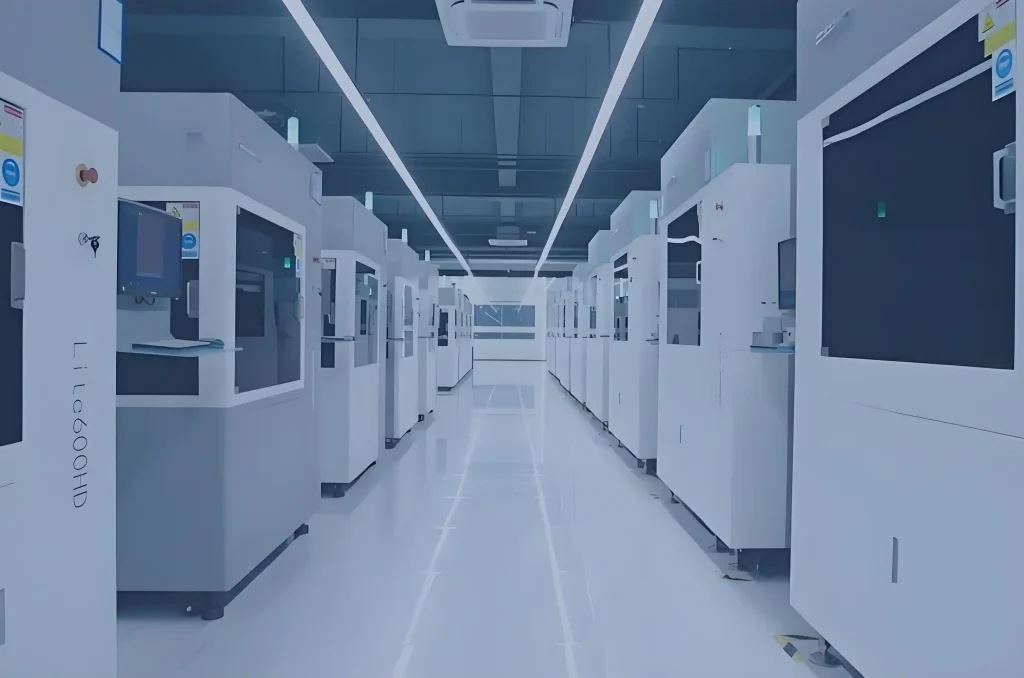
SLS technology transforms raw materials into intricate, high-quality components with precision and efficiency. With SLS technology, you can create complex shapes with incredible accuracy. See how SLS can reduce production costs and improve efficiency. We offer cutting-edge SLS machines run by technicians trained to deliver optimal results at our SLS workshop. See first-hand how laser sintering enables complex geometries and functional prototypes to be created with unparalleled precision.
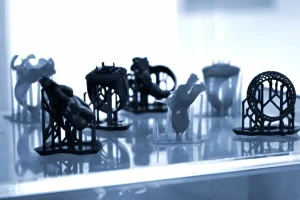
Start your project nowCheck out our display of SLS Parts. At EPRO, you can confidently get the best SLS parts!