



CNC machining has revolutionized aerospace manufacturing by enhancing speed, accuracy, and safety standards. It allows for the creation of intricate, lightweight parts with exceptional precision and repeatability. CNC Precision manufacturing plays a crucial role in producing high-quality aerospace components, ensuring that parts fit aircraft accurately and prevent failures. EPRO-MFG stands out as a leader in CNC machining solutions for aerospace, offering services that boost productivity through automation and programmability. Their expertise in CNC machining empowers the industry to meet deadlines efficiently while minimizing material waste, ultimately reducing production costs.
Technological Advancements in CNC Machining
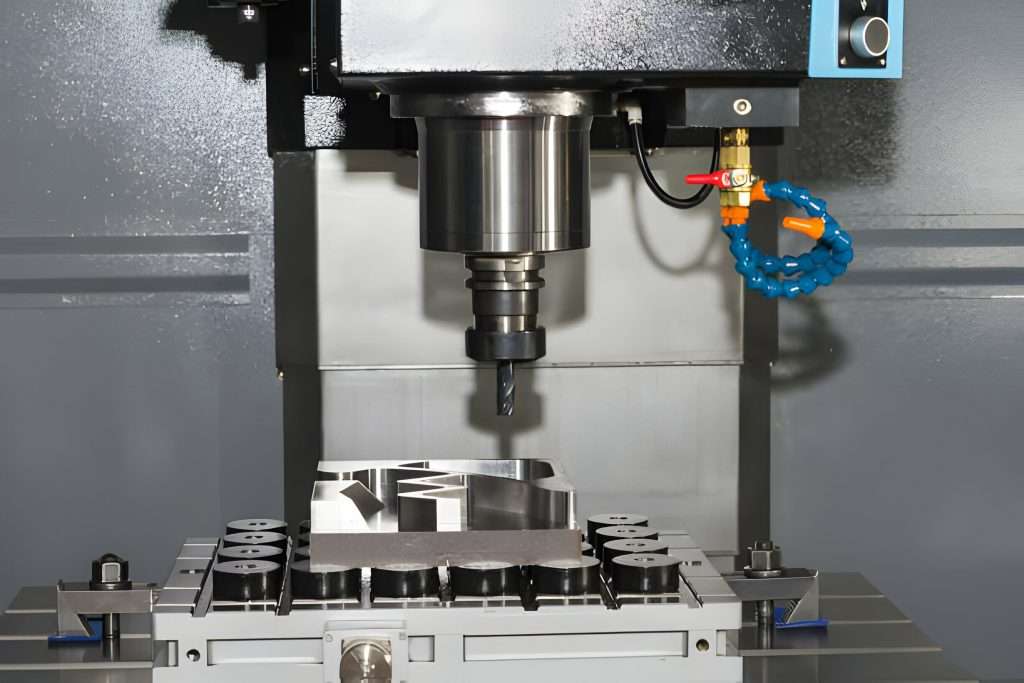
Multi-Axis Machining Capabilities
The aerospace industry demands high precision and complex geometries in its components. Multi-axis machining capabilities have emerged as a game-changer in this regard. Unlike traditional three-axis machines, multi-axis CNC machining allows for the movement of the cutting tool along multiple axes simultaneously. This capability enables the creation of intricate parts with fewer setups, reducing production time and enhancing accuracy.
Key Benefits of Multi-Axis Machining:
- Enhanced Precision: Multi-axis machines provide superior precision manufacturing, crucial for aerospace components that require tight tolerances.
- Complex Geometries: The ability to machine complex shapes and angles without repositioning the workpiece increases efficiency and reduces errors.
- Reduced Lead Times: By minimizing the number of setups, manufacturers can significantly cut down on lead times, meeting the stringent deadlines of the aerospace sector.
Through targeted application of these advancements, EPRO-MFG consistently delivers aerospace-grade components that not only meet but often exceed the industry’s rigorous certification requirements. Central to this achievement is their mastery of multi-axis machining techniques, which ensures every precision-engineered part maintains micron-level accuracy while simultaneously optimizing production throughput through intelligent process automation.
Additive Manufacturing and CNC Machining
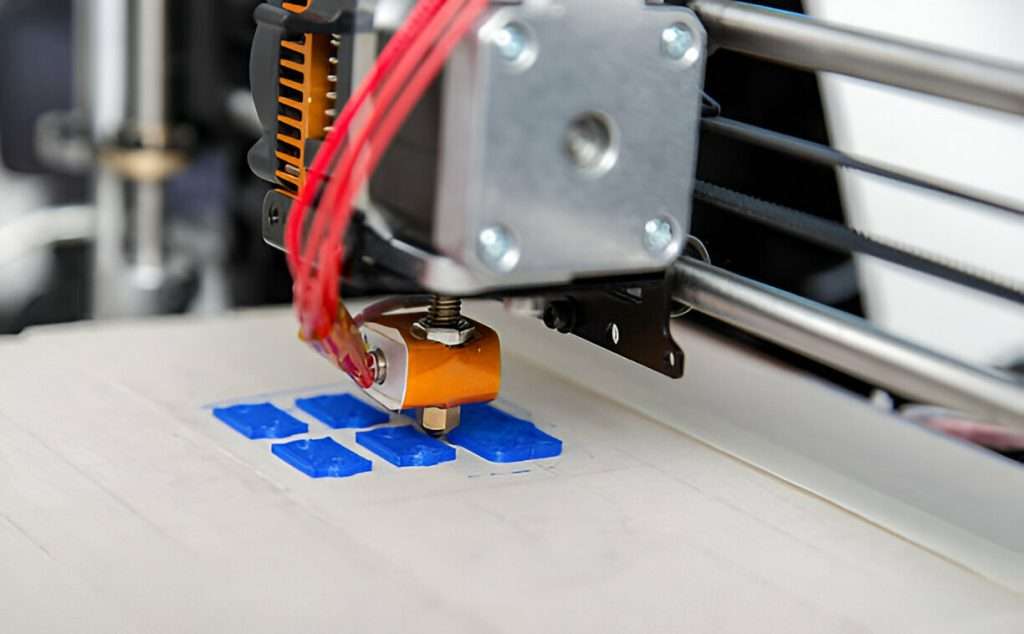
Additive manufacturing, commonly known as 3D printing, has revolutionized the way aerospace components are produced. This technology allows for the layer-by-layer construction of parts, offering unparalleled design flexibility and material efficiency. When combined with traditional CNC machining, hybrid systems emerge, blending the best of both worlds.
Advantages of Additive Manufacturing and CNC Milling:
- Design Flexibility: Additive manufacturing enables the production of complex structures that would be impossible or cost-prohibitive with conventional methods.
- Material Efficiency: By adding material only where needed, waste is minimized, leading to cost savings and environmental benefits.
- Integration with CNC Machining: Hybrid systems allow for the initial creation of a part using additive methods, followed by precision finishing with CNC machining. This integration enhances the overall quality and functionality of the final product.
EPRO-MFG stands at the forefront of these innovations, utilizing CNC Machining to push the boundaries of what is possible in aerospace manufacturing. Their commitment to integrating cutting-edge technologies ensures that they remain a leader in delivering advanced solutions to the industry.
Efficiency and Productivity Improvements
Automation and Robotics
Automation and robotics have become pivotal in enhancing efficiency within the aerospace sector. By integrating these technologies, manufacturers achieve higher precision and reduced material waste. Automated systems ensure flawless parts, significantly increasing production speed and accuracy. Robotics, equipped with advanced AI and machine learning capabilities, adapt to complex tasks, minimizing human error.
- Increased Production Speed: Automated processes streamline operations, leading to faster production times. This efficiency allows aerospace companies to meet tight deadlines without compromising quality.
- High Precision: Robotics in CNC machining deliver unparalleled precision manufacturing. They execute intricate tasks with minimal deviation, ensuring each component meets stringent aerospace standards.
- Reduced Costs: Automation reduces labor costs and material waste. By optimizing resource use, companies like EPRO-MFG can offer competitive pricing while maintaining high-quality outputs.
EPRO-MFG leverages these advancements to provide scalable solutions tailored to the aerospace industry’s demands. Their commitment to integrating automation and robotics underscores their leadership in CNC machining innovations.
Real-Time Monitoring and Feedback Systems
Real-time monitoring and feedback systems revolutionize how manufacturers oversee production processes. These systems offer continuous data flow, enabling predictive maintenance and adaptive machining processes. By analyzing real-time data, manufacturers can preemptively address potential issues, ensuring seamless operations.
- Predictive Maintenance: Real-time data allows for timely maintenance, preventing unexpected downtimes. This proactive approach enhances equipment longevity and reliability.
- Adaptive Machining Processes: Feedback systems adjust machining parameters on-the-fly, optimizing performance. This adaptability ensures consistent quality across all production stages.
- Connected Manufacturing Ecosystems: Seamless digital communication fosters a connected manufacturing environment. It facilitates collaboration between different departments, enhancing overall productivity.
EPRO-MFG utilizes these systems to maintain their edge in precision manufacturing. By embracing real-time monitoring, they ensure that every component produced aligns with the highest standards of quality and efficiency.
Quality Control and Assurance
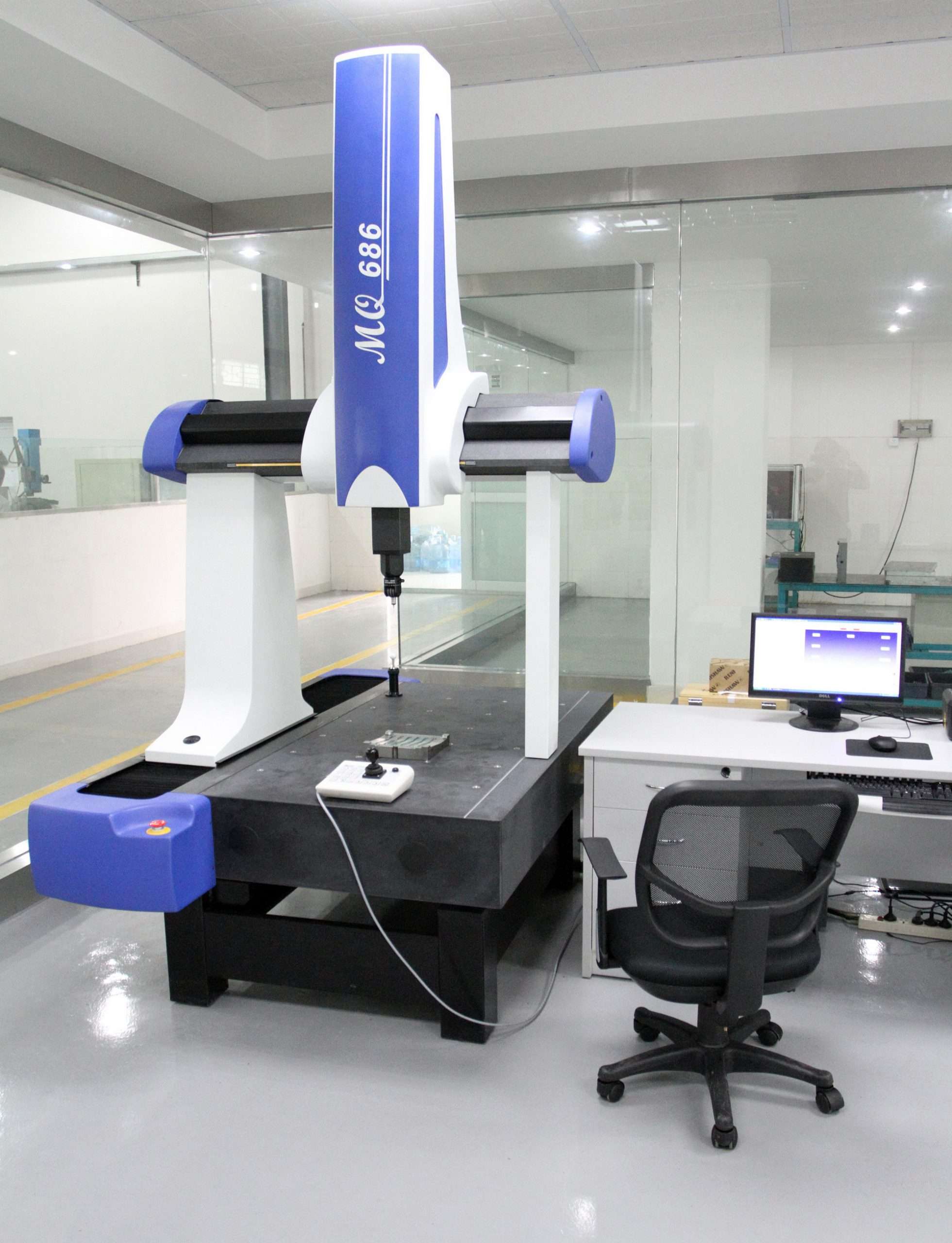
In the aerospace industry, quality control and assurance stand as pillars of reliability and safety. Manufacturers must ensure that every component meets stringent standards. Also, advanced technologies and adherence to certifications play a crucial role in achieving this goal.
Advanced Inspection Technologies
It have transformed how manufacturers verify the quality of aerospace components. These technologies provide precise measurements and detailed analyses, then ensuring that each part aligns with exact specifications.
- Non-Destructive Testing (NDT): NDT methods, such as ultrasonic and radiographic testing, allow for the examination of components without causing damage. This ensures that parts maintain their integrity while undergoing rigorous quality checks.
- Coordinate Measuring Machines (CMMs): CMMs offer high-precision measurements of complex geometries. They verify dimensions and tolerances, crucial for precision manufacturing in aerospace.
- Laser Scanning: Laser scanning provides rapid and accurate surface inspections. It captures detailed 3D models, enabling thorough analysis of intricate designs.
EPRO-MFG utilizes these technologies to ensure that every component meets the highest standards. Their commitment to precision manufacturing guarantees that parts are not only accurate but also reliable.
Standards and Certifications
Adhering to industry standards and certifications is essential for maintaining quality assurance in aerospace manufacturing. These standards ensure that components meet safety and performance requirements.
- AS9100 Certification: As the aerospace sector’s benchmark quality system, AS9100 stands as the globally recognized quality management standard governing aviation, space, and defense manufacturing. Through its systematic requirements, the certification mandates continuous process optimization and rigorous customer requirement traceability. This operational discipline enables manufacturers to consistently produce high-reliability components while maintaining full compliance with aviation safety protocols across supply chains.
- ISO 9001 Certification: ISO 9001 provides a framework for quality management systems. It focuses on meeting customer expectations and enhancing overall efficiency.
Through systematic adherence to these certifications, EPRO-MFG not only maintains its leadership in aerospace CNC machining but also establishes operational benchmarks for the sector. By implementing rigorous compliance protocols, they proactively align production processes with evolving aerospace requirements. This dual focus enables consistent delivery of mission-critical components that withstand extreme operational environments while ensuring full material traceability.
CNC machining continues to revolutionize aerospace manufacturing, driving advancements in precision manufacturing and efficiency. Key innovations, such as multi-axis capabilities and hybrid systems, have significantly impacted the industry. EPRO-MFG exemplifies leadership in this field by integrating cutting-edge technologies into their processes. The future potential of CNC machining in aerospace remains promising, with ongoing technological advancements paving the way for even greater precision and reliability. At the same time, manufacturers must invest in research and development to stay at the forefront of these innovations, ensuring the production of high-performance aerospace components.