



3D printing, along with precise manufacturing tools, is driving the transition in the automotive sector. These technologies are transforming the way vehicles are designed, prototyped, and manufactured, providing companies with unprecedented flexibility, efficiency, and innovation. Here’s a look at how 3D printing, precision manufacturing is being used today as well as trends into the future.
3D Printing in the Automotive Industry: Current Applications
Rapid Prototyping with 3D printing
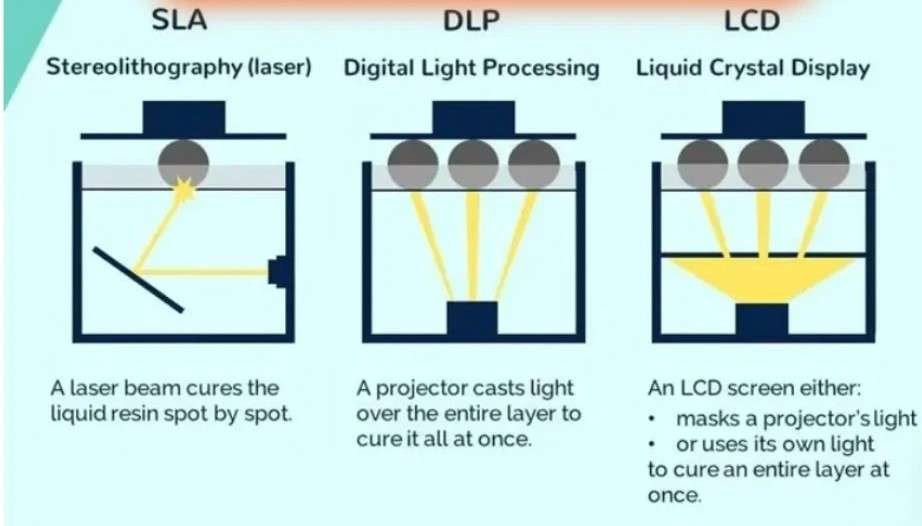
It allows automobile companies to generate prototype parts, leading to faster and cheaper development times. Companies such as BMW and Ford, for example, use SLA/SLS/SLM to experiment with new designs, prior to committing to full-scale production.
Customized Parts
One of the standout features of additive manufacturing is the ability to create bespoke components. Whether creating individualized interior components, or tailored engine parts, the technology provides extensive customization for particular clients.
Complex Geometries
Complex designs can be challenging in traditional manufacturing. Now, 3D printing will be particularly adept at creating complex geometries, from typically lightweight lattice structures to aerodynamic components, both of which are playing an increasingly important role in contemporary vehicle design.
Precision Manufacturing in the World of Automotive
High Accuracy and Consistency with 3D Printing
Precision manufacturing guarantees that automotive parts fulfill precise tolerances, which are essential for safety and performance. Common practices to accomplish this precision include CNC machining and laser cutting.
Material Optimization
The final automotive parts require various advanced materials, including high tensile alloys and composites, to ensure they are powerful and durable. Precision manufacturing techniques developed for these materials further ensure they are used efficiently, increasing the overall quality of the vehicle.
Bridging the Gap Between 3D Printing and Precision Manufacturing

Synergy of Technologies
3D printing combined with precision manufacturing is a great integration. Related: To achieve the necessary geometry, near-net-shape parts are made by printing and then finished using precision manufacturing processes.
Case Studies
So, companies like Tesla and Porsche are at the leading end of the adoption curve on these vehicles and battery technologies. Tesla deploys additive manufacturing for prototype and custom part manufacturing, whereas Porsche takes advantage of precision manufacturing for performance components
Future Trends
Mass Customization with 3D printing
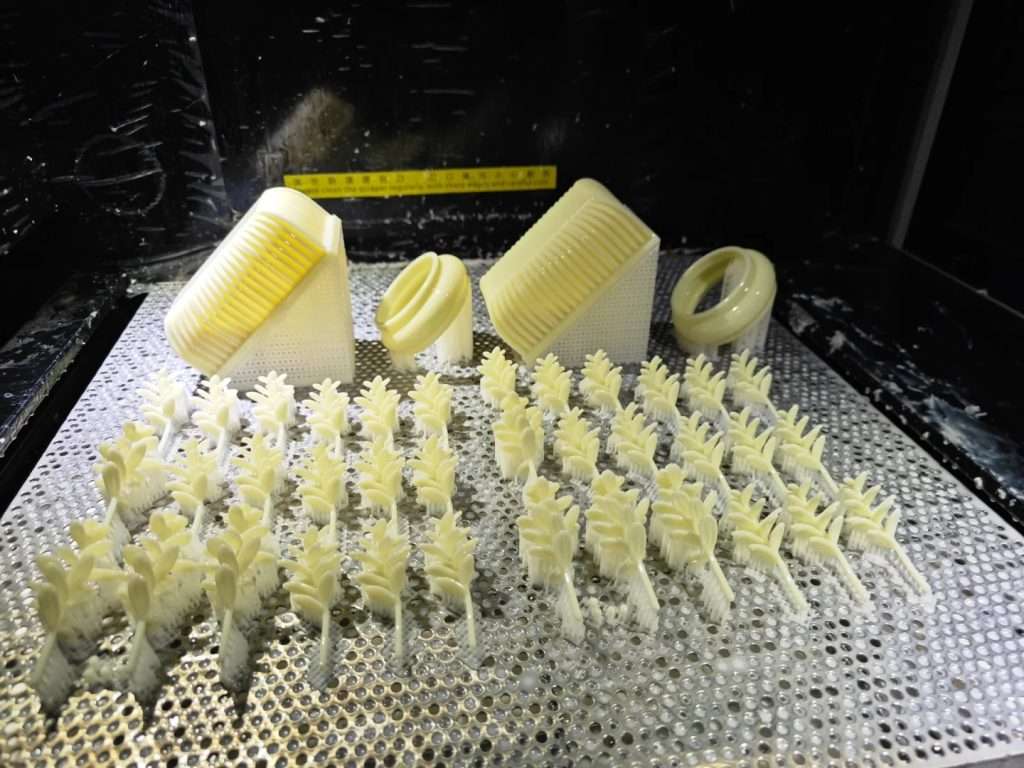
In the future, it will be pivotal in delivering mass customization as consumer demand grows for personalized vehicles. This trend is likely to reshape the automotive industry to be more responsive to individual preferences.
Advanced Materials
In addition, advances in materials technology, such as the use of graphene and carbon fiber composites, will continue to improve the capabilities of 3D printing and precision manufacturing. These materials provide excellent strength and lightweight characteristics suitable for automotive applications.
Smart Manufacturing
The next innovation wave will be driven by IoT and AI integration with 3D printing and precision manufacturing. Smart factories will leverage real-time data to streamline the production processes, eliminate waste, and enhance efficiency.
Getting Started with 3D Printing and Precision Machining
Choosing the Right Equipment
For automotive applications, industrial-grade 3D printers such as the EOS M 290 and precision CNC machines are recommended. These tools have the accuracy and dependability needed for professional production.
Training and Education
It is imperative to invest in training programs for engineers technicians. Helpful records for addtive manufacturing newcomers will let you uncover the loss of life of a expertise, akin to Hide3D’s Beginner’s Guide to additive manufacturing.
Cost Analysis
Though an up-front cost for 3D printing and precision manufacturing equipment can be high, the long-term rewards of minimized material waste and speedier production cycles often make it worth it
Conclusion
Additive Manufacturing and precision machining are transforming the automotive industry, offering new possibilities for design, production, and customization. As these technologies continue to evolve, they will play an increasingly important role in shaping the future of automotive manufacturing.
For more insights into the latest trends in 3D printing and precision manufacturing, visit Towards Automotive and explore how these technologies are driving innovation in the automotive sector.